13 Jul 2026
Aligning Authentication Sequences and Incentive Releases in Live Event Wagering Systems
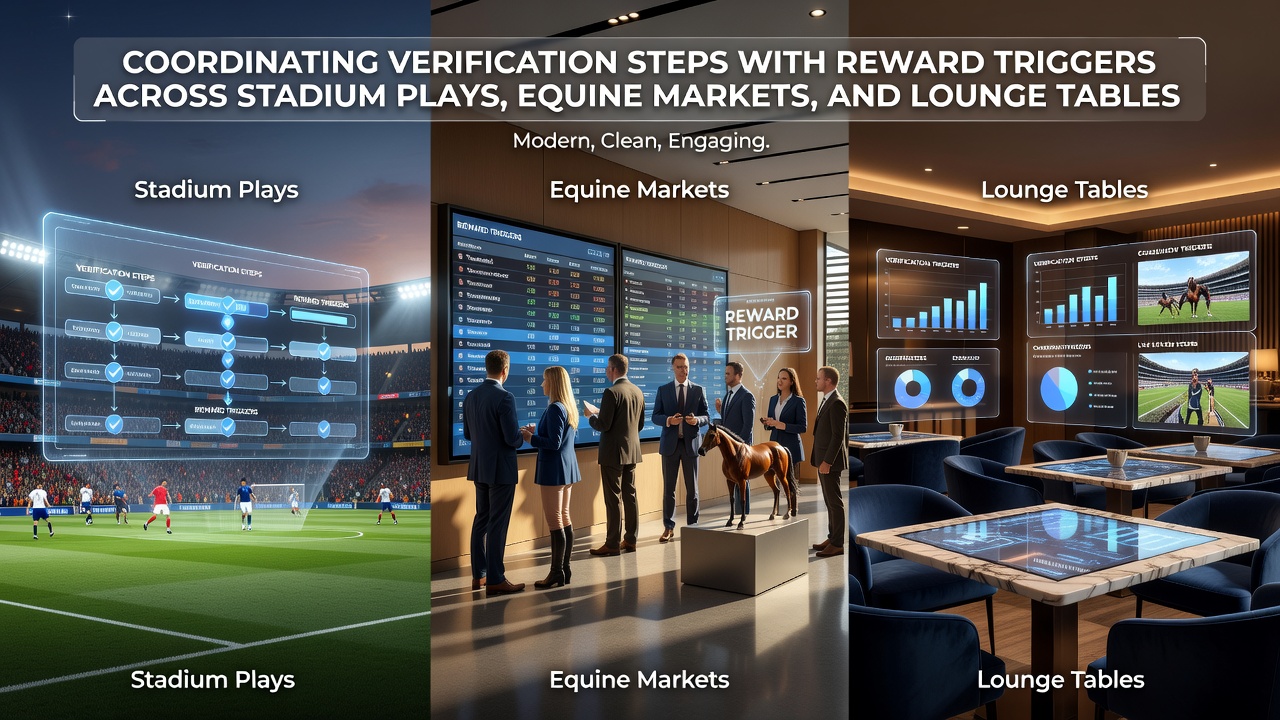
Systems that handle live wagers must coordinate verification sequences with reward triggers across stadium plays, equine markets, and lounge tables because each environment presents distinct timing requirements and regulatory demands. Data from industry reports indicate that platforms integrate these processes to maintain compliance while delivering bonuses during high-volume periods such as match intervals or race starts.
Core Coordination Mechanisms
Verification steps typically begin with account validation, document upload, and real-time identity checks before any reward activation occurs, yet platforms often embed conditional triggers that release bonuses only after specific milestones like a completed deposit or a confirmed wager. Research indicates these layered approaches reduce processing delays because automated workflows link identity confirmation directly to promotional engines, allowing seamless transitions from stadium live betting interfaces to equine market dashboards and casino table sessions.
According to findings from the Australian Gambling Research Centre, coordinated systems cut verification-to-reward cycles by measurable margins in multi-sport environments while preserving audit trails required by oversight bodies. Observers note that July 2026 marks an anticipated adjustment period for several operators who plan to update their trigger logic ahead of broader digital compliance shifts.
Application Across Stadium Plays
Stadium environments demand rapid verification because live soccer or football bets occur in compressed timeframes between plays or halves. Platforms route users through facial recognition or biometric prompts during active matches, then trigger deposit bonuses or free bet credits once identity clears. Those who've examined platform logs report that reward releases often coincide with goal events or halftime breaks to capitalize on momentum without interrupting the betting flow.
Integration in Equine Markets
Equine betting adds another layer since race schedules follow strict intervals and market odds fluctuate quickly. Verification sequences here incorporate address confirmation and age validation before reward triggers activate, and data shows many systems pause bonus releases until a user places an initial qualifying bet on a listed race. This approach aligns security checkpoints with promotional incentives while meeting standards set by regional racing authorities.
Processes at Lounge Tables
Lounge table environments such as blackjack or roulette sessions require verification that accommodates both mobile and venue-based play. Reward triggers activate after users complete identity steps and often unlock table-specific promotions like cashback on losses or matched play credits. Studies from the National Council on Problem Gambling highlight that synchronized verification and reward systems help maintain session continuity across these slower-paced games compared with faster stadium or track action.
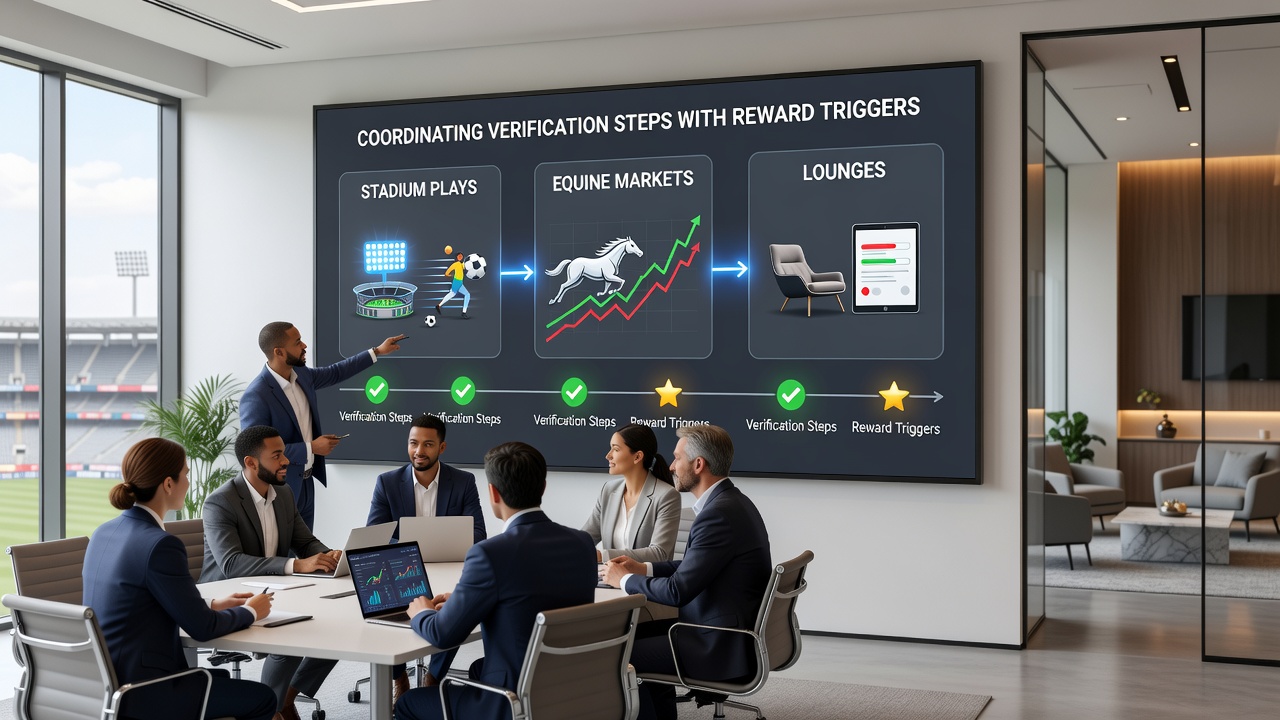
Operators frequently employ unified back-end frameworks that handle all three categories through modular APIs, allowing a single verification event to unlock rewards tailored to the chosen activity. Figures from the Canadian Gaming Association reveal that such frameworks support cross-category play without requiring repeated identity submissions.
Regulatory and Technical Considerations
Regulatory frameworks in multiple jurisdictions require clear separation between verification and reward functions to prevent premature bonus distribution. Platforms address this by building conditional logic that waits for successful checks before firing triggers, and external audits confirm these safeguards remain intact during peak periods. Those monitoring industry updates expect further refinements around July 2026 as operators adapt to evolving technical standards for real-time data exchange.
Examples from operational case studies show that one platform adjusted its equine market triggers to require verified funding sources before releasing track-specific rewards, resulting in smoother compliance reporting without user friction. Similar adjustments appear in stadium and lounge integrations where reward timing aligns with verified account status rather than initial login.
Conclusion
Coordinated verification and reward systems continue to evolve as operators manage demands across stadium, equine, and lounge environments. Evidence from regulatory and research sources demonstrates that careful sequencing of identity steps with incentive releases supports both compliance and operational efficiency in live wagering platforms.