23 Nov 2026
App Logins Enable Fluid Shifts Across Racing Tracks, Sports Venues, and Casino Platforms
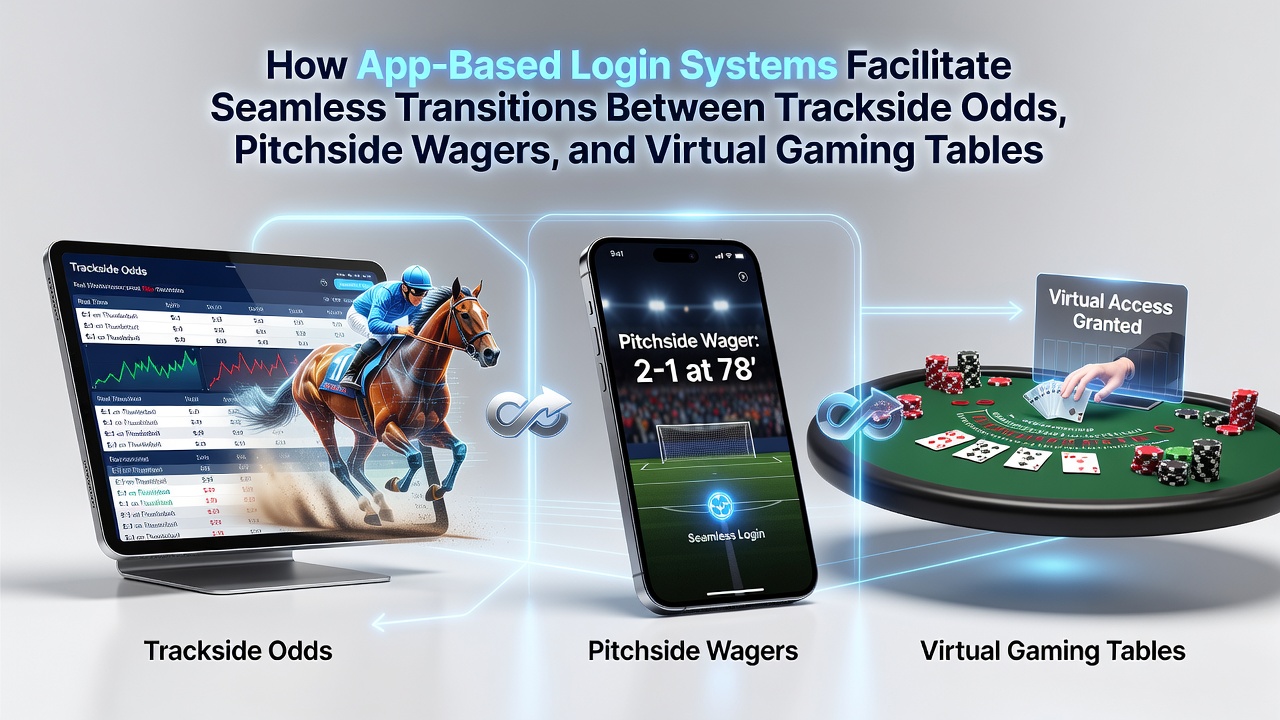
App-based login systems now connect users across trackside odds at horse racing events, pitchside wagers during football matches, and virtual gaming tables in online casinos through unified authentication protocols that maintain session continuity. These systems rely on single sign-on frameworks combined with biometric verification such as fingerprint or facial recognition to reduce repeated entry of credentials while preserving account balances and active bets across platforms.
Core Mechanisms Driving Cross-Platform Access
Developers integrate OAuth and OpenID Connect standards into betting applications so that a single authentication event grants entry to multiple betting environments without requiring separate logouts or re-authentications. Data from device sensors and secure token exchanges update user positions in real time, which allows a bet placed at a racetrack to carry forward when the same app opens a live football market or loads a blackjack table. Industry reports indicate that token refresh intervals average under three seconds, keeping transitions imperceptible during high-volume events.
Payment rails embedded within these apps synchronize funds instantly because login tokens link directly to verified banking details or digital wallets. Observers note that this linkage eliminates the need to re-enter payment information when moving from a trackside accumulator on a thoroughbred race to an in-play corner goal market at a stadium or a progressive jackpot spin at a virtual table. Regulatory filings from bodies such as the Nevada Gaming Control Board document the adoption rates of these token-based flows in licensed mobile products since 2023.
Practical Transitions in Live Environments
Users at racecourses open the app once upon arrival, authenticate via biometrics, and place bets on upcoming races while the same session remains active for later access to football fixtures scheduled the same afternoon. When the app detects a location change or a user-initiated switch to a pitchside market, cached data and refreshed tokens populate odds without interruption. Research conducted by the University of Nevada, Las Vegas Center for Gaming Research shows that average session persistence across venue types exceeds 45 minutes when biometric gates replace password prompts.
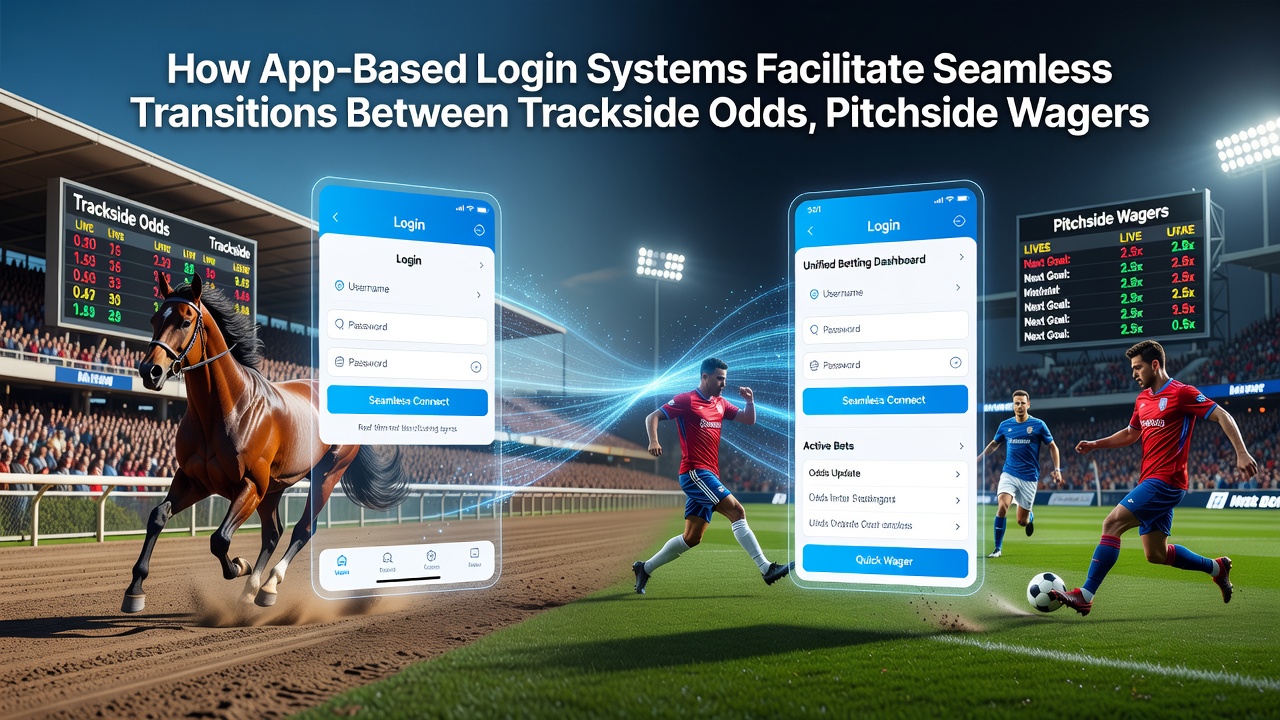
Stadium visitors experience similar continuity because geofencing triggers within the app adjust available markets while preserving the authenticated state. A wager on a halftime score at a football ground can transition directly into a casino game once the match concludes, provided the login token has not expired. Figures released by the European Gaming and Betting Association in mid-2025 recorded a 28 percent rise in cross-category play among accounts using persistent login tokens compared with those requiring manual re-entry at each category switch.
Security Layers and Regulatory Context
Encryption protocols wrap every token exchange, adn multi-factor elements such as device fingerprinting or one-time codes activate during high-value transfers between racing, sports, and casino sections. November 2026 marks the scheduled rollout of updated hardware security modules in several major European and North American operators, which will further shorten verification windows while meeting new data residency rules in multiple jurisdictions. These modules will operate alongside existing login frameworks to maintain seamless movement without introducing additional user friction.
Compliance documentation from Australian state regulators highlights how login persistence logs assist in responsible gambling monitoring because activity across track, pitch, and table environments appears in a single chronological record. Operators therefore flag unusual patterns spanning multiple categories through unified dashboards rather than isolated venue reports.
Future Developments Through Late 2026
Operators plan incremental upgrades that embed wallet functionality deeper into login tokens, allowing balance adjustments across racing, football, and casino products to occur in one atomic transaction. Testing phases scheduled for the second half of 2026 will examine whether quantum-resistant encryption can replace current standards without lengthening the time between a trackside bet confirmation and the opening of a virtual table session.
Conclusion
App-based login systems continue to reduce barriers between distinct betting categories by maintaining authenticated states and synchronizing financial data across trackside, pitchside, and virtual environments. Data from regulatory and academic sources confirm measurable increases in cross-category engagement where these mechanisms operate, while security enhancements planned through November 2026 aim to preserve that fluidity under evolving compliance requirements.