19 Aug 2026
Cross-Vertical Data Integration and Its Impact on Real-Time Wager Decisions in Multiple Betting Sectors
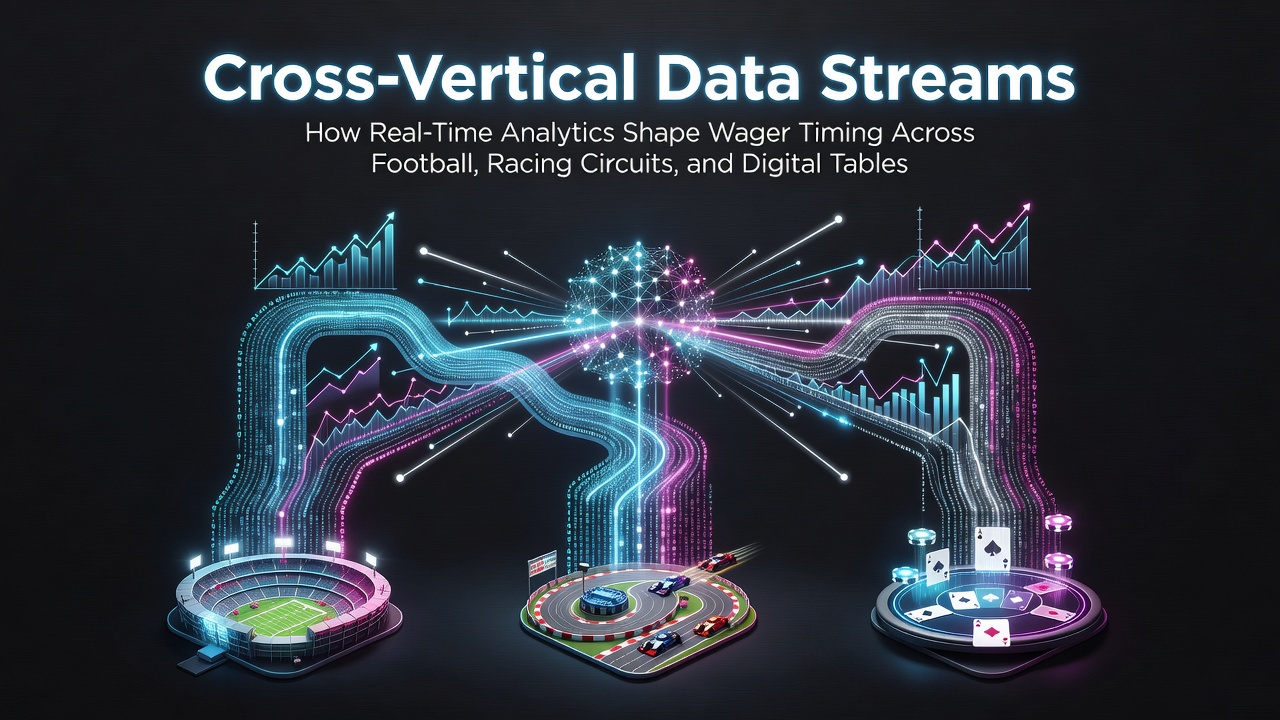
Platforms now pull live statistics from football matches, horse racing circuits, and digital table games into unified systems that adjust wager availability and odds within seconds of new information arriving, and this integration relies on standardized data protocols that connect separate verticals without requiring users to switch applications manually.
Data Streams Connecting Football, Racing, and Tables
Football match data includes player positions, ball possession percentages, and injury updates that feed directly into algorithms, while racing circuits supply split times, track conditions, and horse performance metrics that update continuously during events, and digital tables contribute card counts, dealer patterns, and payout histories that refresh after each hand or spin. These elements combine in central processing hubs where cross-referencing occurs, allowing timing adjustments for wagers that span categories such as a live football goal probability influencing a concurrent racing bet window. Observers note that such connections emerged more prominently after 2024 when application programming interfaces became more standardized across operators.
One study from the University of Nevada, Las Vegas Center for Gaming Research documented how these combined streams reduced latency between data capture and wager display to under three seconds on average during peak events, and figures from that analysis covered multiple jurisdictions where operators adopted unified feeds. Systems flag moments when a football team's attacking surge aligns with a racing favorite's improved pace, creating brief opportunities that close once the next data packet arrives.
Timing Adjustments in Practice Across Verticals
Algorithms monitor thresholds such as goal expectation models in football that rise above 1.8 per team, track speed records in racing that exceed prior averages by 4 percent, and table game volatility indexes that climb during high-card sequences, then they synchronize these signals to open or close betting markets at coordinated intervals. Users encounter these changes as dynamic interfaces that highlight available wagers only when cross-vertical conditions meet preset criteria, and operators report that this approach processes thousands of simultaneous events without separate dashboards for each category.
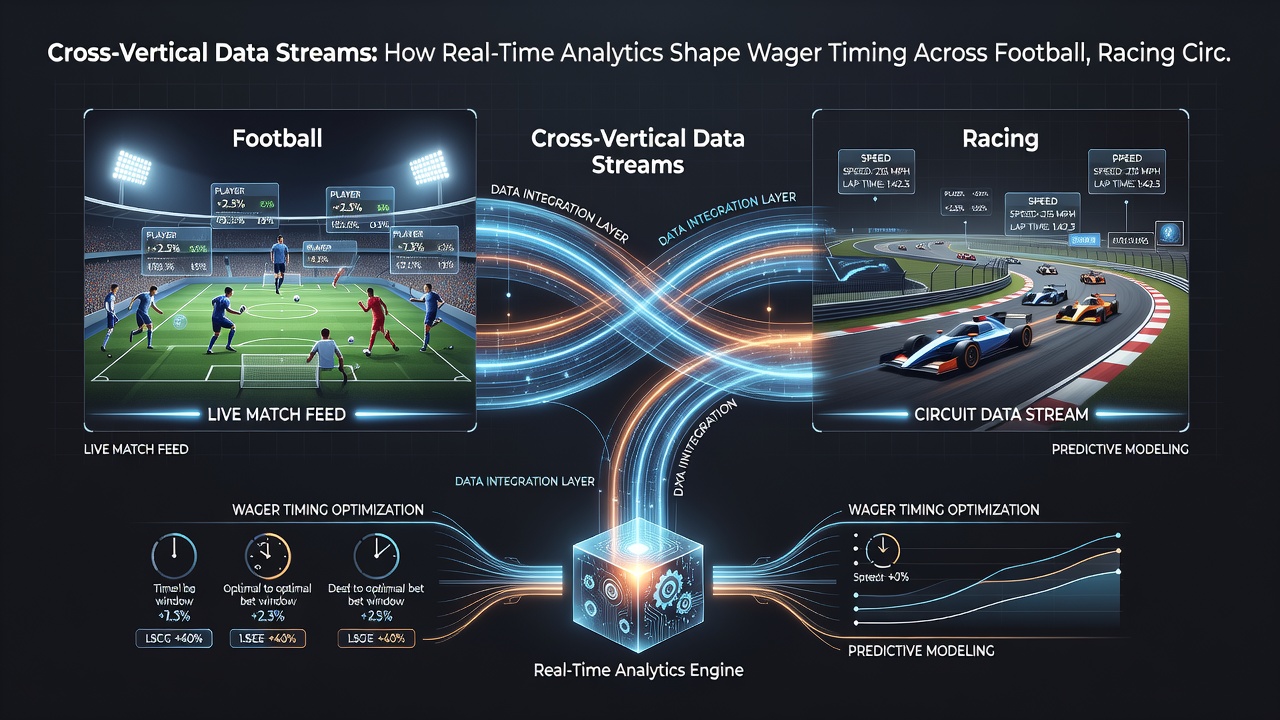
Take one operator that merged English Premier League feeds with Australian thoroughbred racing data and European roulette streams, where the system detected a late-match equalizer probability spike coinciding with a track bias shift and a table dealer change, then presented a combined timing alert that lasted 12 seconds before the next update cycle. Researchers at the International iGaming Research Institute tracked similar patterns in 2025 deployments and found that synchronized alerts increased session continuity rates by measurable margins across tested platforms.
Regulatory and Technical Context Entering August 2026
By August 2026 several regional frameworks require operators to maintain audit logs of how cross-vertical data influences wager timing, with emphasis on transparency around automated decisions that affect multiple categories simultaneously, and compliance involves timestamp verification for every data packet that crosses vertical boundaries. Technical standards now specify encryption levels for these streams and mandate fallback mechanisms when one vertical feed drops, ensuring the remaining categories continue without interruption. Data from the Nevada Gaming Control Board shows that licensed entities handling multi-vertical traffic logged over 2.4 million cross-referenced events in the first half of 2026 alone.
Integration challenges surface when latency differs between sources, such as satellite-delivered racing timing versus fiber-connected table game servers, yet current protocols use buffering layers to align outputs before wager windows activate. Those who manage these platforms adjust buffer sizes based on historical variance data, keeping the overall timing accuracy within acceptable regulatory tolerances.
Conclusion
Cross-vertical data streams continue to reshape how wager timing operates across football, racing circuits, and digital tables through coordinated analytics that process live inputs from all three areas at once. The technical and regulatory developments observed through mid-2026 indicate sustained expansion of these systems as operators refine synchronization methods and compliance procedures.