24 Jun 2026
Decoding Verification Processes That Enable Swift Participation in Live Events Spanning Soccer Fields and Racecourses

Verification systems now form the backbone of instant access to live sporting events, where participants engage through digital platforms that span soccer matches and horse racing meets. These processes combine identity confirmation with financial authorization, allowing users to join betting or viewing activities without extended delays, while data from regulatory bodies shows processing times dropping below 30 seconds in optimized setups.
Core Components of Modern Verification
Systems rely on layered checks that include document scanning, biometric matching, and real-time database queries, and operators integrate these steps into mobile applications used at stadiums or racetracks. According to reports from the Australian Communications and Media Authority, automated facial recognition paired with government-issued ID reduces manual reviews by 85 percent across entertainment sectors that include sports wagering.
Artificial intelligence models cross-reference user details against watchlists and sanction databases during the initial signup, yet the same frameworks permit ongoing session validations that occur in the background. This approach supports continuous participation across multiple events on a single day, whether a Premier League fixture or a thoroughbred racecard at Ascot.
Application Across Soccer and Racing Environments
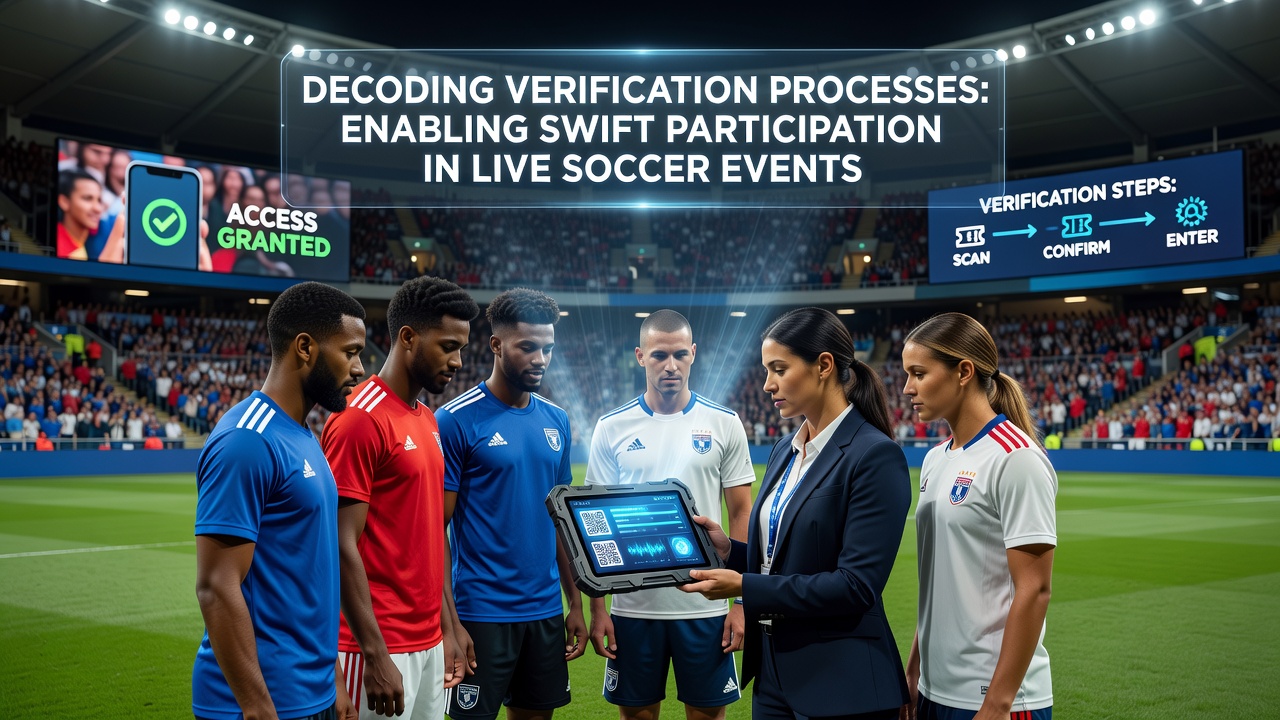
Soccer venues deploy geofenced verification that activates upon entry to the stadium Wi-Fi network, prompting quick NFC-based ID taps from smartphones, while racecourses utilize similar protocols at betting terminals located trackside. Both environments require age and location confirmation to comply with local statutes, and seamless integration means spectators move from ticket validation directly into live engagement features without separate logins.
Researchers at the University of Nevada's International Gaming Institute documented how hybrid models combining device fingerprinting with liveness detection cut fraud incidents by 62 percent in multi-sport platforms during peak seasons. These findings highlight why operators prioritize verification layers that function identically whether the event unfolds on a grass pitch or a turf circuit.
Technological Advances Driving Speed
Cloud-based services now handle the bulk of computation, routing verification requests through secure APIs that connect to national identity registries and credit bureaus simultaneously. This parallel processing allows a single transaction to confirm identity, age, and payment method in one flow, and developers continue refining edge-computing techniques that perform partial checks on the user's device before transmitting sensitive data.
European Gaming and Betting Association data indicates that platforms adopting decentralized identity solutions, built on blockchain standards, achieve verification completion rates above 94 percent on first attempt during high-volume periods like major racing festivals or international soccer tournaments. Observers note these gains become especially relevant ahead of expanded digital requirements projected for June 2026, when several jurisdictions plan synchronized rollout of enhanced consumer protection modules.
Regulatory Alignment and Industry Standards
Compliance frameworks from bodies such as the Malta Gaming Authority emphasize auditable trails for every verification step, requiring operators to store encrypted logs that regulators can review without exposing personal details. Such mandates encourage adoption of privacy-preserving technologies like zero-knowledge proofs, which confirm eligibility without revealing underlying information.
Industry reports further reveal that cross-border operators standardize their verification pipelines to satisfy multiple licensing regimes at once, and this harmonization supports users who follow events across different countries. The result appears in unified apps that handle soccer leagues in one region alongside racing calendars in another without requiring repeated identity submissions.
Future Directions in Event Access
Developers explore integration of wearable device sensors for passive authentication during live events, where heart-rate or gait patterns supplement traditional checks. These methods promise even faster entry while maintaining security thresholds demanded by oversight agencies, and pilot programs already test such features at select European venues.
Continued refinement of these processes aligns with broader shifts toward real-time participation models that connect physical attendance with digital overlays, whether through in-app betting interfaces or augmented viewing tools. Data compiled by academic research groups continues to guide refinements that balance speed with teh safeguards required for public trust.
Conclusion
Verification architectures have evolved into efficient gateways that connect fans directly to live soccer and racing experiences, supported by layered technology and coordinated standards. As platforms prepare for upcoming regulatory milestones in June 2026, the focus remains on maintaining rapid access while upholding documented security benchmarks across regions.