8 Jul 2026
Digital Pathways Linking Personalized Rewards Across Soccer, Horse Racing, and Casino Table Games on Mobile Devices
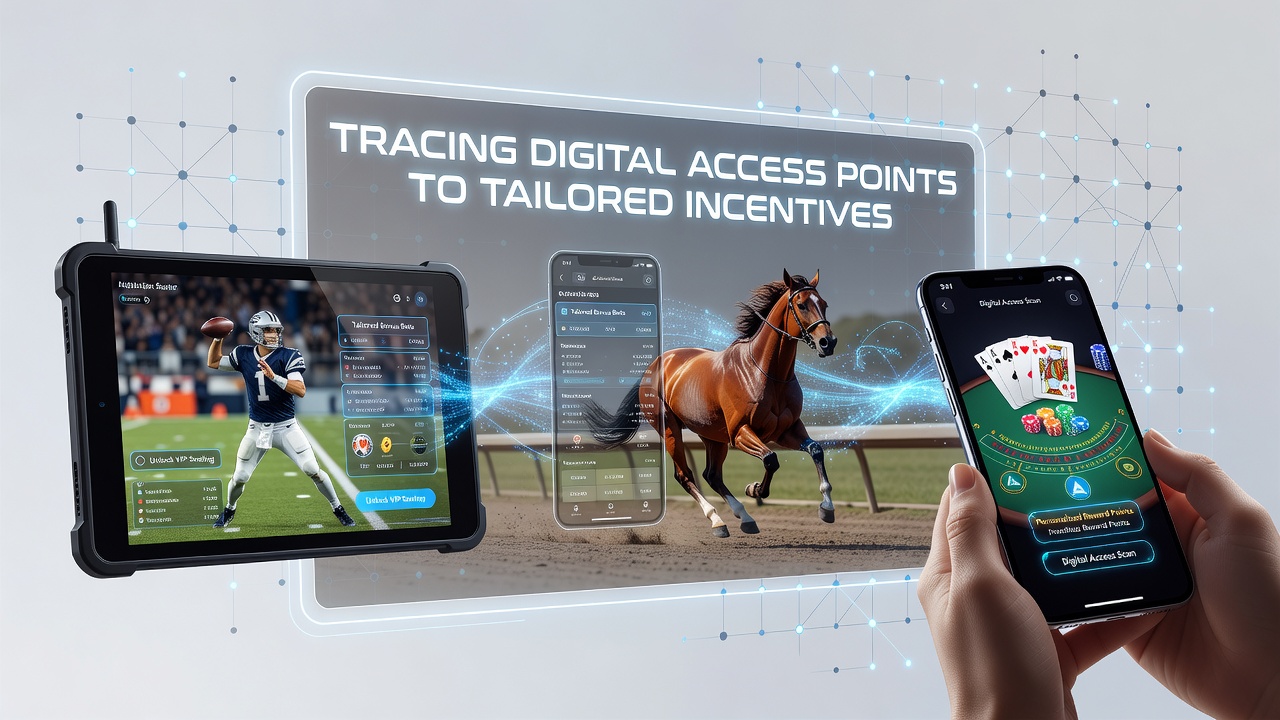
Access routes on handheld devices have evolved to connect users directly with customized reward structures that span soccer matches, equine competitions, and table game sessions, and data flows through app interfaces now map user behavior to specific promotional triggers.
Tracing Entry Points in Mobile Ecosystems
Entry points begin at login sequences where device identifiers and location signals feed into backend systems that segment users by activity type, and these systems then route tailored offers such as boosted odds on upcoming football fixtures or free spins tied to table game thresholds. Observers note that authentication layers integrate with payment gateways to unlock progressive incentives, while session tracking records play patterns across different verticals without requiring separate logins for each category.
Research from the Ontario Problem Gambling Research Centre indicates that mobile sessions lasting under five minutes often trigger micro-bonuses calibrated to the user's previous engagement levels, and similar mechanisms appear in equine betting modules where race-day timing influences the value of deposit matches. These access points rely on API connections that pull real-time data from league schedules and track conditions, which allows platforms to adjust reward parameters on the fly.
Personalization Across Football and Equine Verticals
Football play data merges with equine event metrics inside unified user profiles, and algorithms assign incentive tiers based on bet frequency, stake size, and sport preference. One analysis of aggregated transaction logs revealed that users who alternate between live soccer wagers and pre-race equine bets receive hybrid promotions that combine cashback on losses with accelerated loyalty points redeemable on either vertical.
Device sensors contribute additional signals such as screen time during match broadcasts or race streams, and these inputs refine the delivery of push notifications that highlight time-sensitive offers. Studies conducted by Gambling Research Australia found that equine-focused users respond at higher rates to incentives delivered within two hours of post time, whereas football enthusiasts show stronger uptake when offers align with half-time intervals.
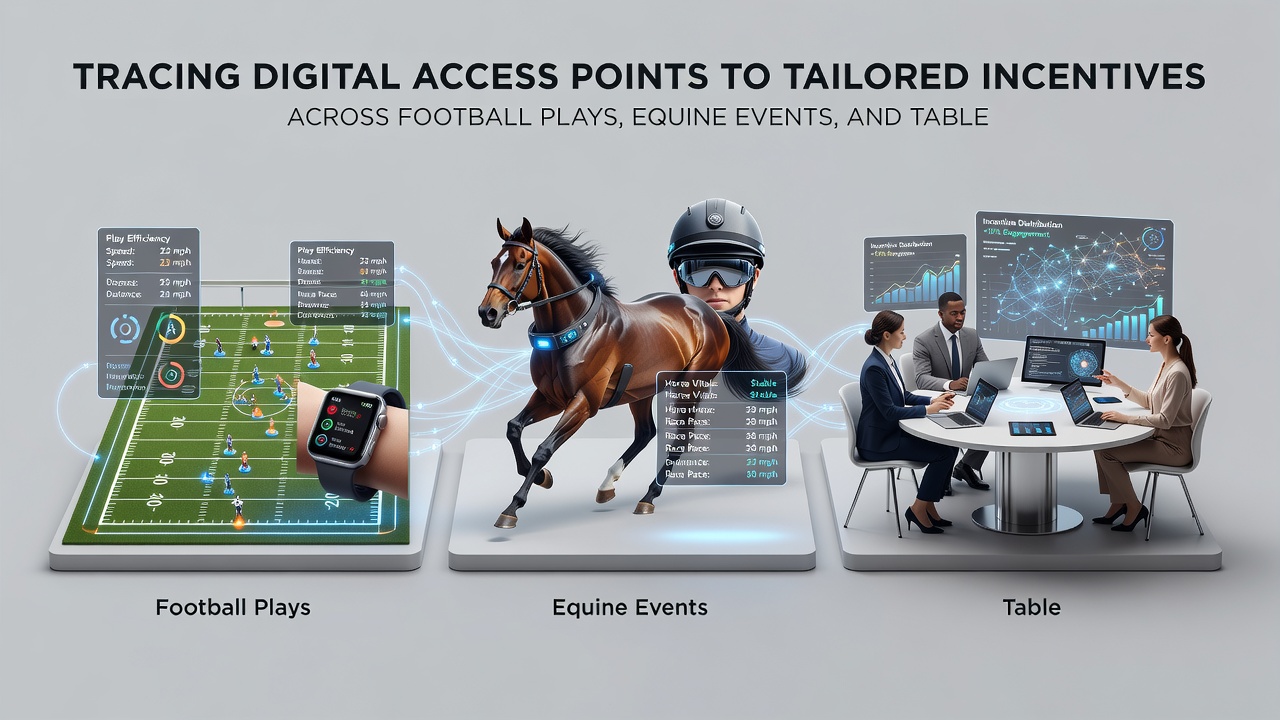
Table Game Integration and Cross-Vertical Flows
Table game modules connect to the same data pipelines that service football and equine sections, and reward structures often carry over from sports activity into blackjack or roulette sessions through shared wallet mechanics. Access points here include quick-launch tiles that pre-load user preferences, and backend logic applies multipliers derived from prior sports performance to casino bonus eligibility.
According to findings published by the Responsible Gambling Council of Canada, users who engage table games after football or racing sessions demonstrate distinct retention patterns when incentives reference their earlier activity, and platforms have responded by embedding contextual tags that link the three categories within single promotional campaigns. These tags travel through encrypted channels that maintain compliance with regional data standards while enabling seamless transitions between verticals on the same device.
Developments Expected by July 2026
Platform operators have scheduled updates to access protocols that will incorporate enhanced biometric verification, and these changes aim to streamline reward activation across football, equine, and table game environments. Industry reports project that July 2026 will mark the rollout of unified dashboards capable of displaying incentive histories from all three categories in one view, which reduces friction for users switching between handheld sessions.
Technical specifications released by several providers describe new encryption layers that protect the mapping of access points to personalized offers, and testing phases scheduled through early 2026 will evaluate performance under peak load conditions during major soccer tournaments and equine festival periods. Such upgrades follow patterns observed in earlier regulatory adjustments that emphasized transparency in how user data informs reward distribution.
Conclusion
Digital access pathways continue to consolidate the delivery of customized incentives across football plays, equine events, and table games on handheld platforms, and ongoing refinements in data integration support more precise alignment between user behavior and promotional mechanics. The infrastructure that traces these points maintains operational continuity even as new verification standards approach implementation in 2026.