12 Aug 2026
Enhancing Live Football and Racing Tactics on Mobile Through Efficient Logins and Payment Versatility
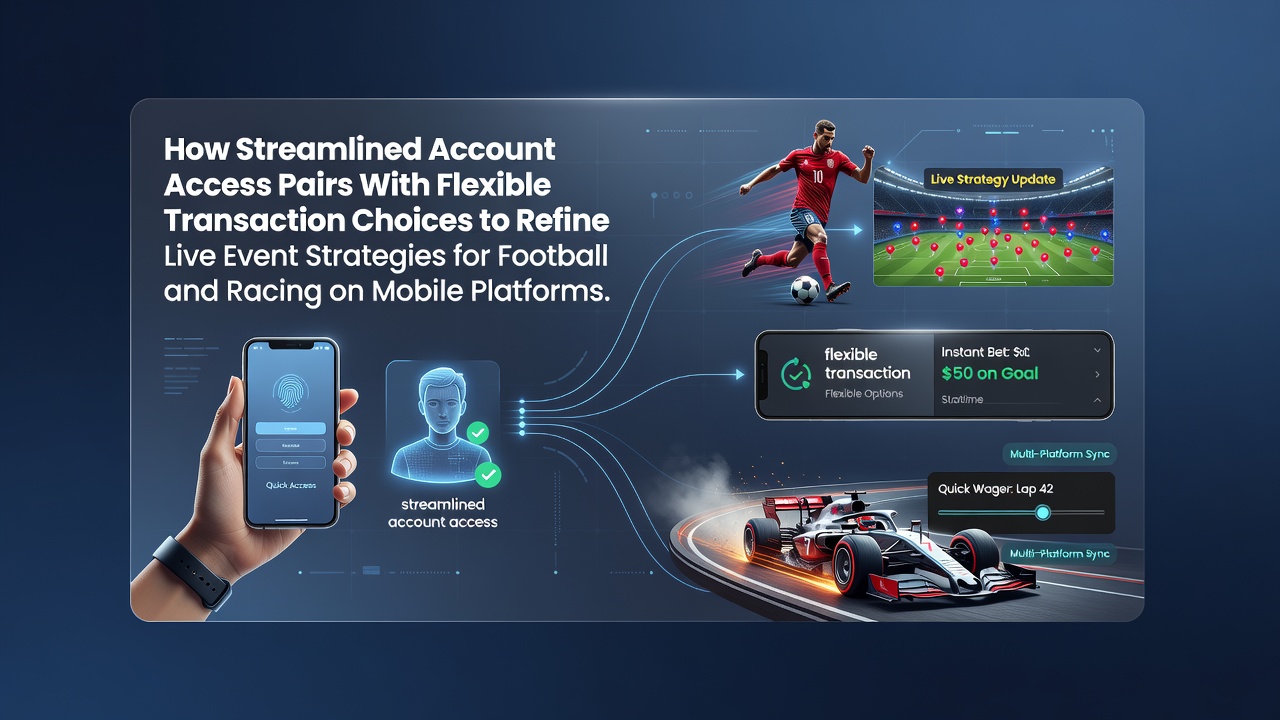
Platforms have integrated biometric verification alongside single-tap authentication systems that reduce entry times to under three seconds for returning users, and this setup allows bettors to monitor in-game developments without interruption during football matches or horse racing events. Data from industry tracking services shows mobile sessions for live wagering increased by 28 percent between 2024 and 2025, with login friction cited as a primary barrier in earlier reports from the American Gaming Association.
Linking Access Speed to Real-Time Decision Points
Football matches generate frequent momentum shifts that demand immediate bet placement, while racing events feature short windows between post time and race start, and streamlined account entry supports both by eliminating repeated credential inputs. Researchers at the University of Nevada Reno documented how authentication delays exceeding five seconds correlate with missed opportunities in live markets, particularly when odds adjust rapidly after goals or pace changes on the track. Flexible transaction tools complement this access by permitting instant deposits through digital wallets and card linkages that process within seconds, enabling users to adjust stake sizes as new information emerges.
Payment Flexibility in Action Across Events
Users can switch between prepaid balances, instant bank transfers, and cryptocurrency options on the same platform, and this range accommodates varying preferences during extended sessions. Figures from the European Gaming and Betting Association indicate that platforms offering multiple funding routes saw a 19 percent rise in live bet volume during peak racing seasons compared to those limited to single methods. Observers note that football enthusiasts often rely on micro-deposits to chase value in specific in-play markets, whereas racing participants favor pre-loaded wallets for rapid multi-race accumulators.
Transaction logs from major operators reveal average deposit amounts during live football windows hover around 25 euros, with adjustments occurring up to four times per match in high-engagement scenarios. Racing sessions show shorter but more frequent interactions, where bettors top up balances between heats without exiting the application interface.
Strategic Adjustments Enabled by Combined Features
Integrated systems allow strategy refinement through seamless movement between account review, balance checks, and bet confirmation, and analysts at the Australian Gambling Research Centre found that such fluidity correlates with higher retention rates in live verticals. Bettors tracking player substitutions in football or track conditions in racing can execute changes without platform exit, preserving focus on unfolding action. Payment versatility further supports hedging approaches where partial stakes move across correlated markets as events progress.
Case examples from operator dashboards highlight one instance where users leveraged instant transfers to double exposure on a favored horse after an early lead, capitalizing on updated odds within the same minute. Similar patterns appear in football when defensive lapses prompt quick reallocations toward over-goal lines. These capabilities align with broader mobile adoption trends projected to continue through August 2026 as network speeds improve and authentication standards evolve across regions.
Cross-Event Patterns and Platform Adaptations
Football and racing share volatility that rewards preparation, yet their pacing differs enough to test transaction robustness, and platforms respond by embedding predictive loading for common bet types. Studies compiled by the Canadian Centre for Gaming Research note that users engaging both sports on mobile demonstrate 15 percent greater session length when access and funding remain uninterrupted. Operators have introduced tiered verification levels that scale with transaction size, balancing security requirements against speed demands during live windows.
Regional variations emerge as well, with European markets emphasizing e-wallet dominance and North American platforms expanding card and bank integrations to match local preferences. These adaptations reflect data showing payment method availability directly influences completion rates for live wagers across both football and racing calendars.
Conclusion
Combined efficiencies in account entry and transaction handling continue to shape how participants approach live football and racing on mobile devices, supported by measurable gains in session continuity and market responsiveness. Industry metrics through 2025 and into 2026 underscore the practical value of these pairings without reliance on any single regulatory framework or regional mandate.