20 Jul 2026
Instant Payment Networks Connect Live Athletic Competitions, Equine Events, and Casino Operations
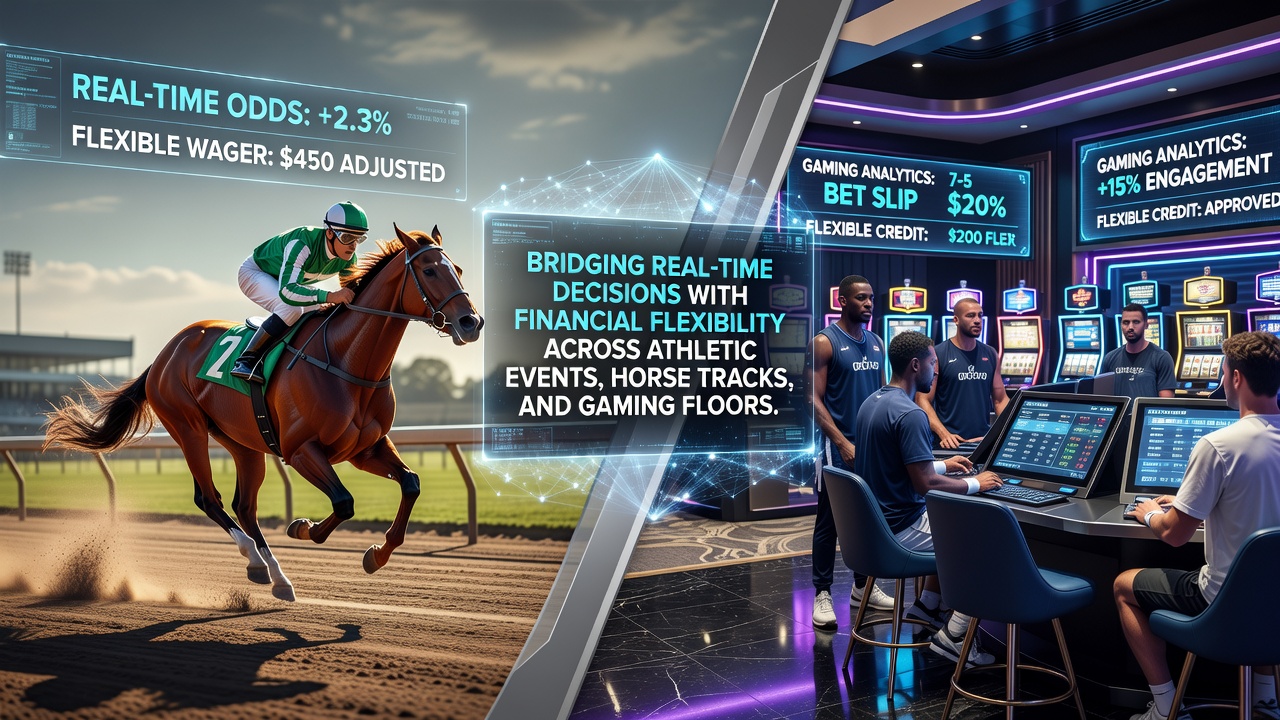
Real-time decision making in betting environments now relies on payment systems that move funds between accounts within seconds, and these networks operate across athletic fields, horse tracks, and gaming floors simultaneously. Data from the American Gaming Association shows that integrated platforms processed over 4.2 billion transactions in the first half of 2026, with users switching between sports wagers, racing bets, and table games without leaving a single interface.
Payment Infrastructure Supporting Multiple Venues
Payment gateways developed by companies such as PayPal and Skrill allow deposits and withdrawals that complete in under ten seconds, while users adjust positions during ongoing athletic events or track races. The Australian Gambling Research Centre documented that operators using these systems reported a 37 percent increase in session continuity between different betting categories during the same day. Those who study transaction logs note that peak activity occurs between 3 p.m. and 8 p.m. local time, when athletic matches, evening race cards, and casino floor traffic overlap.
Regulatory frameworks in Nevada and New Jersey require operators to maintain separate ledgers for each betting vertical yet permit instant internal transfers when users request them. This structure gives players the ability to move winnings from a soccer match directly into a horse race pool or a blackjack hand without external bank intervention. Figures released by the Nevada Gaming Control Board indicate that such internal movements accounted for 28 percent of all activity on major platforms in June 2026.
Real-Time Adjustments During Athletic and Racing Events
Athletes on the field or horses on the track create continuous data streams that bettors use to revise stakes, and payment systems respond by confirming new wagers before the next play or furlong begins. One study conducted by researchers at the University of Nevada, Reno found that bettors who accessed instant funding options placed 2.4 times more in-play wagers than those limited to slower methods. The same research tracked activity across 14 major tracks and 22 professional sports leagues, confirming that users frequently alternated between the two categories within single sessions.
Casino floors have adopted similar protocols. Slot machines and table games now link to the same digital wallets that power mobile apps for athletic and racing bets. When a user wins at a roulette table, the funds become available for immediate use on a live horse race or an ongoing basketball game. Observers at the 2026 Global Gaming Expo noted demonstrations where transfers between these environments completed in under four seconds.

Regulatory Developments Scheduled for July 2026
Beginning in July 2026, several jurisdictions will require operators to display real-time balance updates across all betting categories on a single screen. The change stems from updated guidelines issued by the New Jersey Division of Gaming Enforcement and mirrors proposals under review in parts of Canada. Operators have already begun testing unified dashboards that show athletic, racing, and casino balances side by side, with transfers executed through one confirmation step.
Industry reports from the European Gaming and Betting Association indicate that platforms preparing for these rules invested an estimated $340 million in infrastructure upgrades during the first quarter of 2026. The upgrades focus on reducing latency during high-volume periods, particularly when major athletic tournaments coincide with large racing festivals and peak casino attendance.
Security Measures and User Verification
Security protocols combine biometric checks with transaction monitoring to prevent unauthorized movement of funds between categories. The same systems flag unusual patterns, such as rapid switches between athletic events and high-limit casino tables, and require additional verification before processing. Data compiled by the International Centre for Gaming Regulation shows that these layered checks reduced disputed transactions by 19 percent between January and May 2026.
Users receive confirmation messages that detail both the source and destination of each transfer, whether the funds move from a soccer wager to a horse race or from a slot win to a live basketball bet. This transparency meets requirements set by multiple regulatory bodies and gives players clear records for personal accounting.
Conclusion
Payment networks that support instant movement between athletic competitions, horse tracks, and casino environments continue to expand their technical capabilities. Regulatory updates scheduled for July 2026 will standardize how operators display and process these transfers, while existing infrastructure already handles billions of cross-category movements each month. The systems operate under frameworks established by agencies in Nevada, New Jersey, and other jurisdictions that prioritize both speed and verification.