22 Jun 2026
Integrating Mobile Credentials with Instant Deposit Systems for Dynamic Football, Racing, and Casino Activities
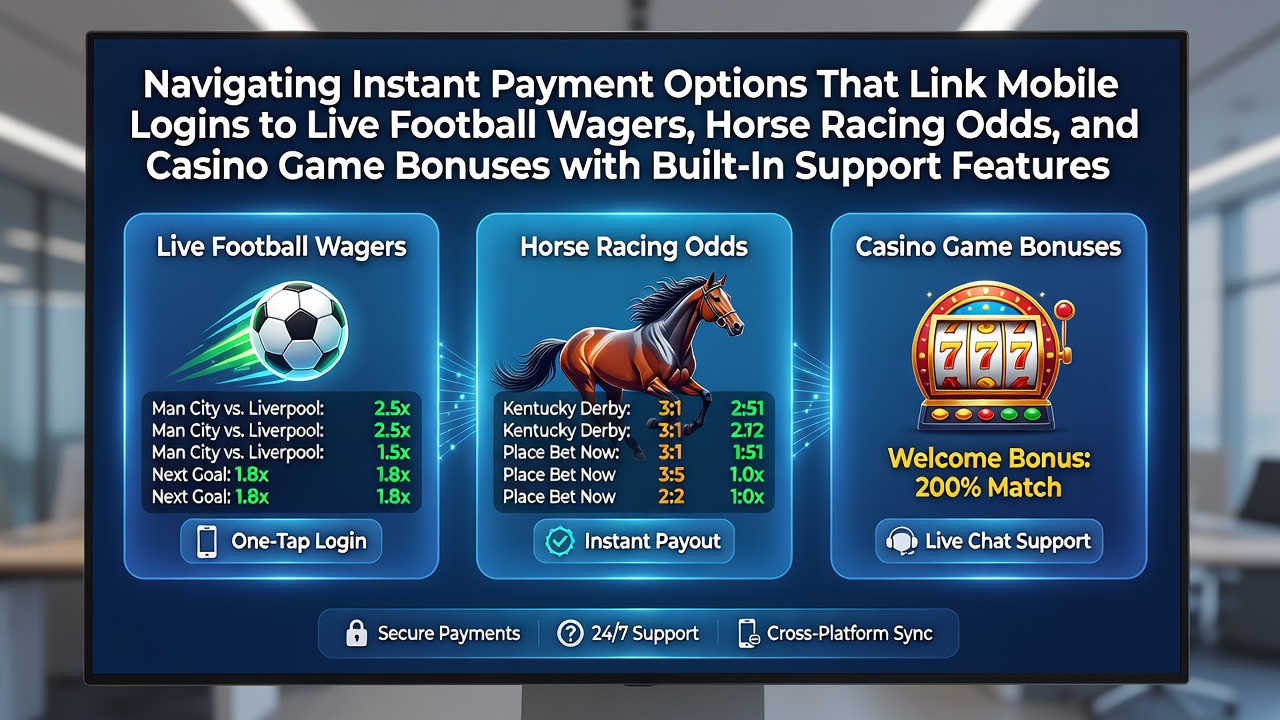
Operators have developed systems where mobile logins connect directly to payment processors, allowing users to fund accounts in seconds while engaging with live football wagers, checking horse racing odds, and claiming casino game bonuses, and these setups often include built-in support features such as in-app chat and transaction tracking tools.
Data from industry reports shows that such integrations reduce processing times compared to traditional bank transfers, since the login serves as the authentication layer that triggers instant verification through linked e-wallets or card details, and this process supports real-time betting across multiple categories without requiring repeated logins.
Core Mechanics of Login-Linked Payments
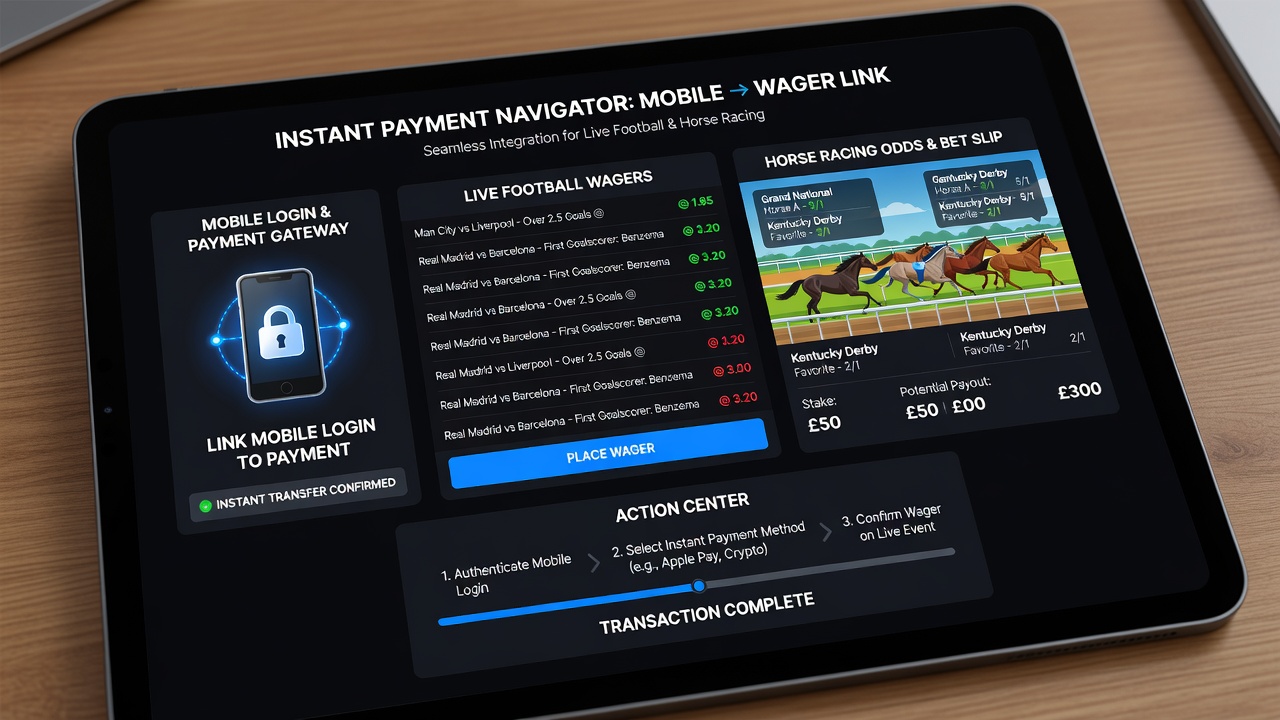
Users enter their mobile credentials once, after which the platform routes requests to payment providers that authorize deposits based on pre-verified details, and this method handles everything from small stakes on football matches to larger sums placed on horse racing events while also unlocking bonus codes for casino games like slots or table variants.
Research indicates that security protocols rely on tokenization, where actual financial data stays encrypted and separate from the login session, so operators can offer instant funding without exposing sensitive information during live sessions, and support teams monitor these flows to flag any irregularities promptly.
Application Across Football, Racing, and Casino Options
Live football wagers benefit when deposits process during matches, enabling bettors to adjust stakes on goals or corners as odds shift, whereas horse racing odds require quick access to place bets on upcoming races, and casino game bonuses activate through the same login flow to apply free spins or deposit matches without delay.
Platforms coordinate these elements so that a single authenticated session covers all three areas, and users switch between live football dashboards, racing schedules, and casino lobbies while the payment link remains active, and built-in support features provide guides on bonus terms or odds calculations through pop-up help sections.
Support Features Embedded in the Process
Many systems incorporate live assistance that appears automatically when transaction issues arise, such as failed deposits during peak football betting periods or bonus redemption queries on casino games, while dedicated sections explain horse racing odds adjustments based on track conditions or jockey changes.
According to findings from the Responsible Gambling Council, these support tools help maintain session continuity by offering step-by-step resolutions that keep users within the app rather than redirecting to external sites, and similar approaches appear in reports from the Canadian Gaming Association that highlight improved user retention when help integrates directly into payment flows.
Developments Anticipated by June 2026
Updates scheduled for June 2026 include enhanced API connections that will allow even faster verification across borders, and these changes aim to expand compatibility with additional payment methods while preserving the core login-to-wager link for football, racing, and casino activities, and observers note that support features will gain predictive elements to address common queries before they surface.
Studies from academic institutions such as the University of Nevada, Reno's gaming research center reveal that such evolutions stem from rising demand for seamless experiences, where users expect deposits to align instantly with live events in multiple betting verticals, and the additions scheduled for mid-2026 build on existing frameworks without disrupting current operations.
Conclusion
Overall, the combination of mobile logins, instant payments, and support tools creates a unified pathway for engaging with live football wagers, horse racing odds, and casino game bonuses, and platforms continue to refine these connections based on usage data and regulatory guidance from various regions, ensuring the systems remain functional as user preferences evolve.