10 Jun 2026
Linking Protected Access Systems to Prompt Incentive Mechanisms in Sports Events, Equine Racing, and Mobile Entertainment Platforms
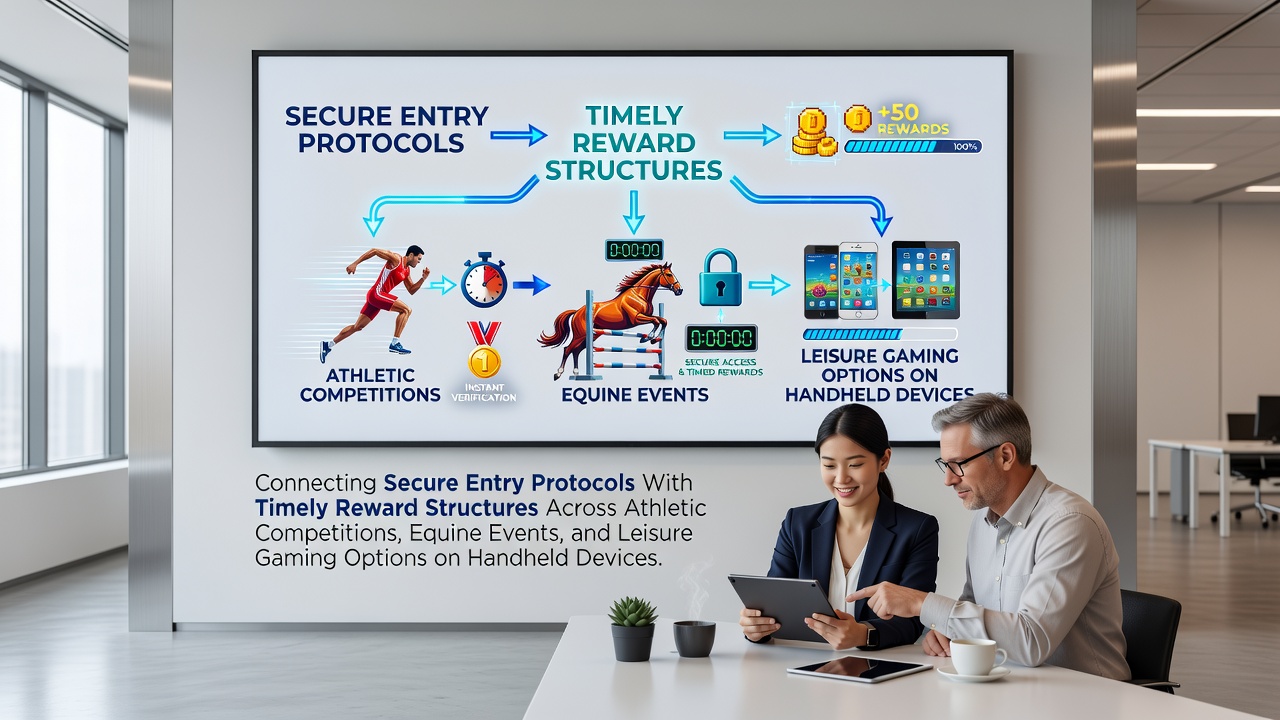
Protected access systems now connect directly to prompt incentive mechanisms across athletic competitions, equine racing circuits, and leisure gaming applications on handheld devices, creating unified frameworks that handle verification alongside reward distribution. Data from multiple sectors shows these integrations rely on encrypted authentication layers that verify user identity before releasing time-sensitive bonuses or payouts, while industry reports indicate the approach reduces processing delays from minutes to seconds in many cases.
Core Components of Secure Entry Protocols
Secure entry protocols incorporate multi-factor authentication, biometric checks, and real-time token generation to confirm participant eligibility in competitive environments. Researchers at the University of Nevada, Las Vegas have documented how these layers link with backend databases that track activity across different event types, allowing systems to trigger rewards only after successful verification completes. Observers note the process maintains compliance with regional standards set by bodies such as the Australian Communications and Media Authority, which updated its digital platform guidelines in early 2025.
Athletic competitions benefit when login sequences feed directly into live reward triggers, because goal-scoring moments or match conclusions activate bonus releases without separate manual steps. Equine events follow similar patterns where race results sync with verified accounts, releasing stakes and incentives through the same secure channel that handled initial access. Leisure gaming options on handheld devices extend this model further by embedding reward notifications inside the authentication flow itself, so users receive updates immediately after each session milestone passes.
Application Across Event Categories
Implementation varies by category yet follows consistent logic that prioritizes speed and accuracy. In athletic settings, platforms connect match data feeds to reward engines that activate within seconds of verified outcomes, while equine racing platforms tie photo-finish confirmations to the same security checkpoints used for account entry. Handheld leisure gaming maintains parallel structures through app-based tokens that expire quickly unless refreshed through ongoing secure sessions.
June 2026 marks the scheduled rollout of enhanced cross-platform verification standards in several jurisdictions, requiring tighter synchronization between entry protocols and reward timing. Those standards build on existing encryption requirements and aim to align athletic, equine, and mobile gaming systems under unified technical specifications. Figures from industry monitoring groups reveal that operators adopting these connections ahead of the deadline already report measurable drops in verification-related reward delays.
Technical Integration Methods
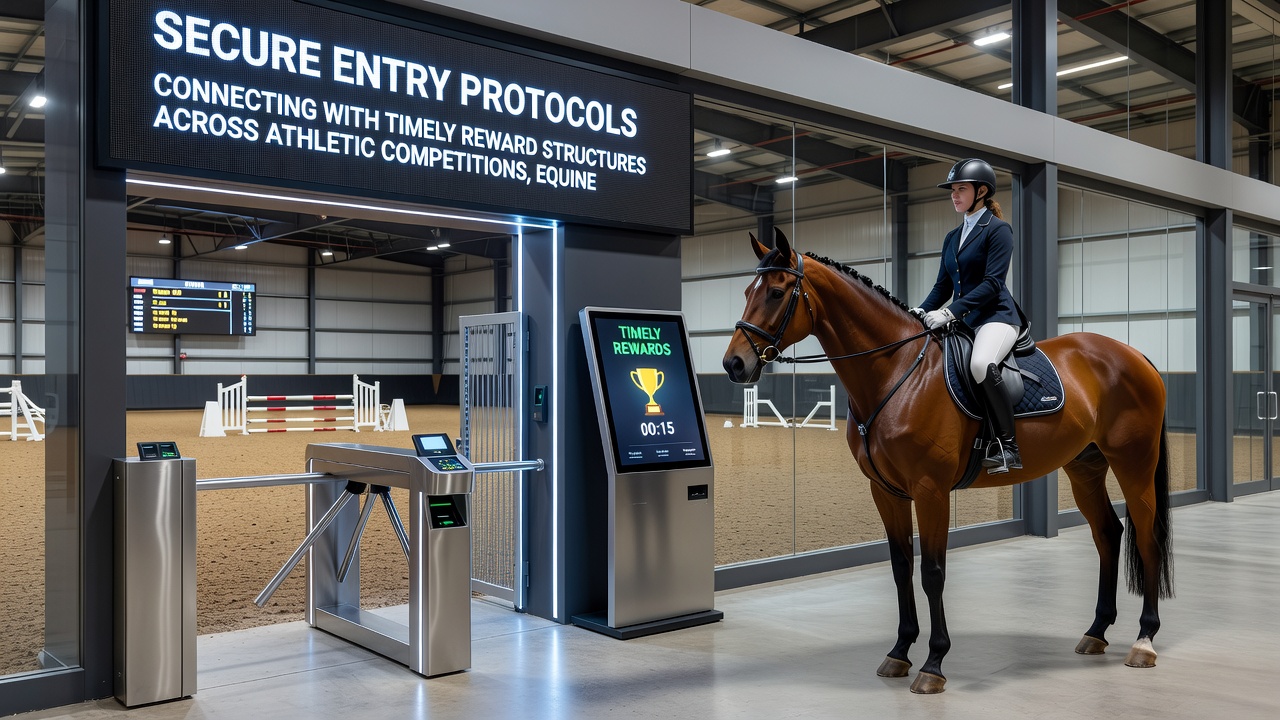
Developers achieve these connections through API bridges that pass authentication status directly to reward distribution modules, eliminating intermediate storage steps that once created bottlenecks. Case examples from North American operators demonstrate how biometric confirmation on handheld devices triggers instant credit allocation when users complete qualifying actions in either sports or racing interfaces. European platforms follow comparable architectures, though they incorporate additional regional data residency rules that affect how quickly rewards process after verification succeeds.
Real-time monitoring tools track both entry success rates and reward delivery intervals, providing operators with metrics that highlight where protocol adjustments improve overall flow. Studies from academic research centers indicate that systems maintaining under-three-second reward windows after secure entry achieve higher user retention across all three categories compared with slower alternatives. The pattern holds whether users engage with athletic competitions, equine events, or leisure gaming applications.
Regulatory and Operational Context
Regulatory frameworks in multiple regions now emphasize that reward structures must activate only after secure entry completes, creating audit trails that link each incentive to a verified session. Canadian provincial regulators have introduced reporting requirements that mirror this approach, requiring operators to document the exact time between authentication and reward release. Such rules encourage continued refinement of the technical bridges that connect these two functions without introducing additional friction for participants.
Operational teams manage these systems through centralized dashboards that display verification status alongside pending reward queues, allowing quick identification of any disconnects. The approach reduces manual intervention and supports scaling across large user bases that participate in multiple event types simultaneously. Data indicates the combined model maintains security integrity while supporting the timely delivery of incentives that users expect in competitive and recreational settings alike.
Conclusion
Connections between protected access systems and prompt incentive mechanisms continue to evolve across athletic competitions, equine racing, and mobile leisure gaming. The frameworks rely on established encryption standards, API integrations, and regulatory timelines such as the June 2026 enhancements to maintain both security and speed. Observers tracking these developments note consistent patterns in how different sectors adapt the same core principles to their specific operational demands, resulting in more streamlined experiences for participants who move between event categories on handheld devices.