24 Jul 2026
Mapping Digital Routes for Instant Mobile Transactions in Live Football, Horse Racing, and Casino Play
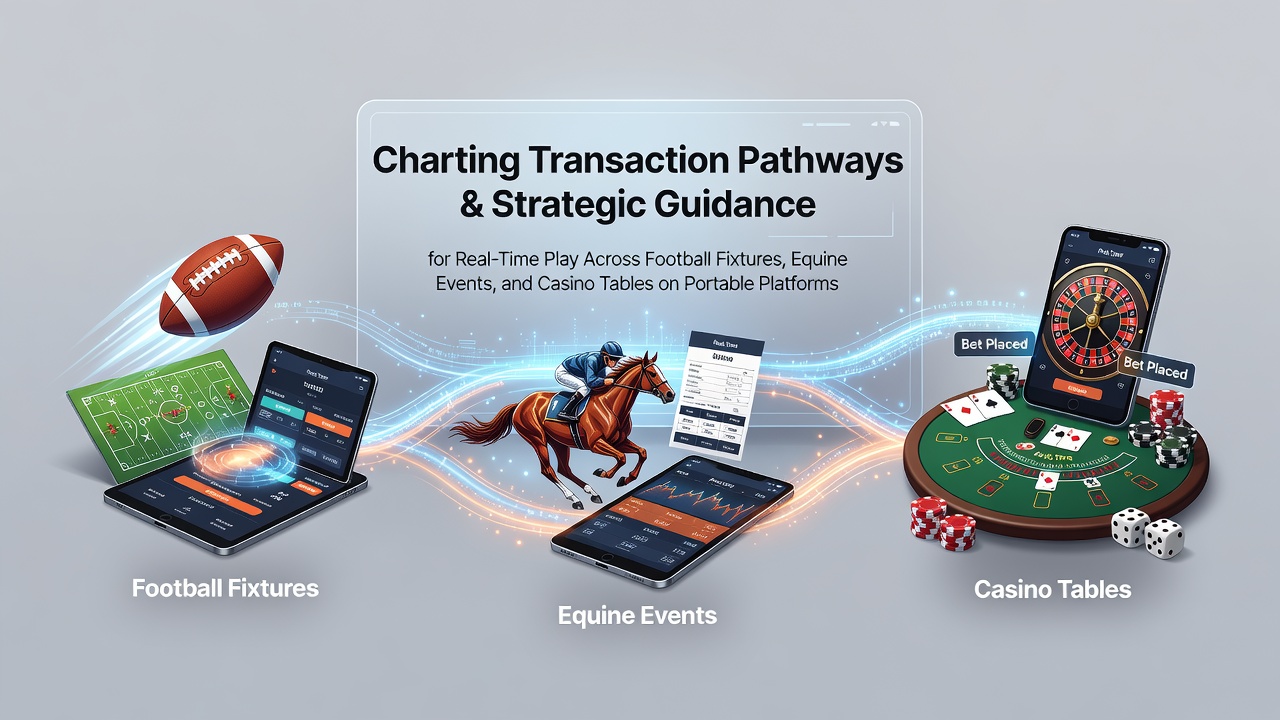
Transaction pathways on portable platforms connect users to live football fixtures, equine events, and casino tables through integrated payment systems that process deposits and withdrawals in seconds. These routes rely on secure gateways that link bank accounts, digital wallets, adn card networks directly to betting applications, allowing real-time play without delays that once interrupted sessions. Data from industry reports indicates that mobile transaction volumes for these combined categories reached new levels by mid-2026, driven by improved API connections between financial institutions and betting operators.
Core Elements of Transaction Pathways
Payment routing begins when a user initiates a deposit on a smartphone app, where the system selects the fastest available channel based on account preferences and network conditions. Secure tokenization converts sensitive details into encrypted strings that travel through multiple verification layers before funds appear in the betting balance, often within five seconds according to performance metrics shared by platform developers. Withdrawal paths reverse this flow, pulling winnings back through the same gateways while applying fraud checks that scan for patterns across football, racing, and casino activity simultaneously. Observers note that these pathways incorporate fallback options, automatically switching to alternative processors if one channel experiences congestion during peak events like Premier League matches or major race meetings.
Strategic Guidance for Football Fixtures on Mobile
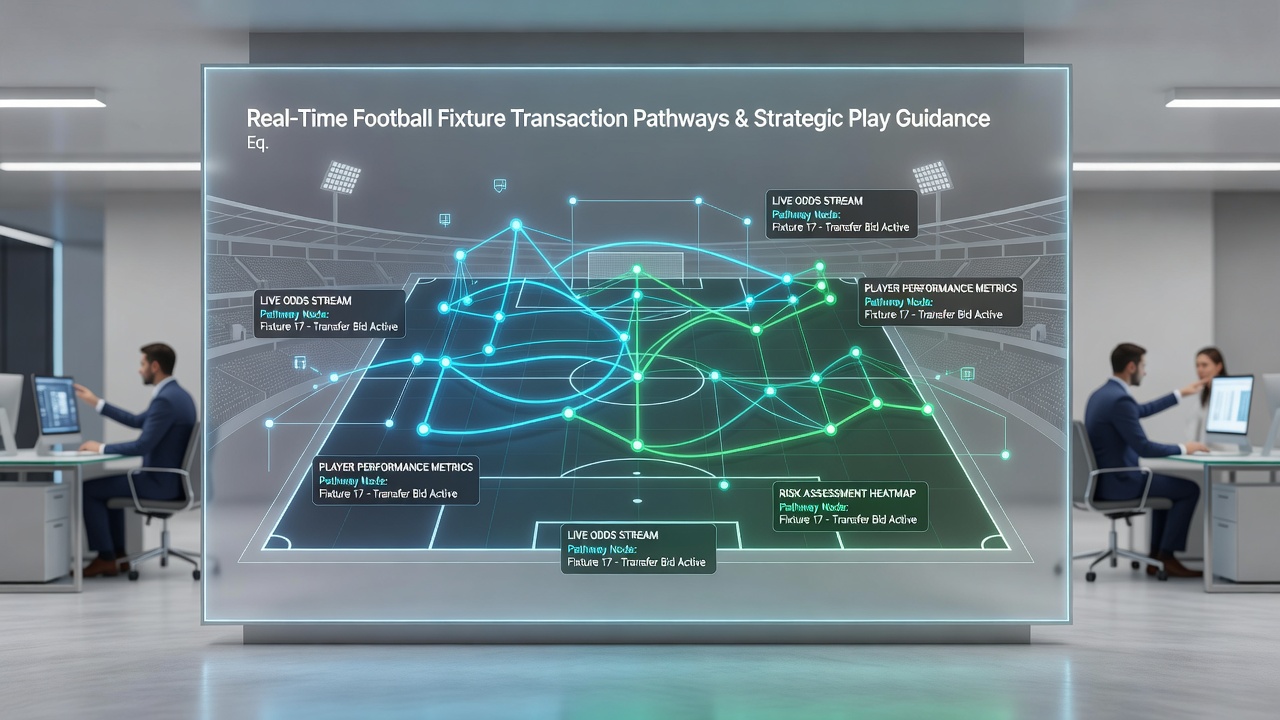
Football live betting benefits from transaction pathways that update odds in real time while maintaining continuous fund access for in-play wagers. Users monitor match momentum through app interfaces that display live statistics alongside balance indicators, enabling quick top-ups when opportunities arise after goals or red cards. Research from academic studies on digital gambling platforms shows that integrated push notifications alert bettors to both score changes and low-balance warnings, reducing interruptions during extended fixtures. Strategic timing involves checking transaction confirmation times before kickoff, as some networks process faster during off-peak hours compared to busy Saturday afternoons when multiple leagues run concurrently.
Equine Events and Racing Transaction Dynamics
Horse racing demands rapid transaction handling because races start at fixed intervals, leaving little room for payment delays between bets on successive events. Mobile apps route funds through specialized processors optimized for high-frequency small wagers typical in racing, while also supporting larger stakes on feature races. Evidence from European betting association analyses reveals that equine markets see elevated activity on portable devices during festival periods, with transaction success rates improving through cached authentication that skips repeated login steps. Strategic approaches include pre-funding accounts ahead of race days to bypass any verification holds, and selecting payment methods that offer instant confirmation without additional security prompts during live gallops.
Casino Tables and Cross-Platform Integration
Casino table games on mobile platforms use the same transaction frameworks as sports and racing, yet they introduce unique timing elements tied to dealer-paced rounds and progressive jackpots. Pathways here prioritize low-latency connections that keep game sessions active while funds move, avoiding the disconnections that previously affected live dealer experiences. Figures released in July 2026 by international gaming research groups highlight steady growth in mobile casino transaction counts, particularly when users switch between blackjack tables and football in-play markets within single sessions. Guidance centers on monitoring cumulative spending limits across categories, since integrated dashboards display combined activity from football, equine, and table play to support responsible fund management without separate logins.
Security Layers and Regulatory Context
Multiple encryption standards and compliance protocols protect every step along these transaction routes, with regular audits ensuring that pathways meet standards set by bodies outside the UK such as the European Gaming and Betting Association. Additional oversight comes from Australian government gambling research initiatives that track mobile payment security trends across borders. Users often activate two-factor authentication tied to device biometrics, which adds verification without extending processing times beyond acceptable thresholds for live events. Those who've studied platform architecture note that anomaly detection systems flag unusual patterns spanning different event types, triggering temporary holds that resolve quickly once identity confirms through standard checks.
Future Developments in Portable Betting Routes
Emerging technologies continue to refine these pathways, with blockchain pilots testing direct peer-to-peer transfers that could bypass traditional gateways for football, racing, and casino transactions alike. Reports from North American research institutions suggest potential reductions in processing fees as these methods mature, though adoption remains limited to specific operators as of 2026. Strategic preparation involves reviewing app update logs for new payment integrations that expand options during international fixtures or overseas race meetings. Cross-category play benefits when transaction histories consolidate into unified views, allowing clearer tracking of activity across all three domains on a single portable device.
Conclusion
Transaction pathways on mobile platforms form the backbone that supports uninterrupted real-time engagement with football fixtures, equine events, and casino tables. Strategic use of these systems relies on understanding processing speeds, security features, and timing considerations that vary by event type. Continued refinements in July 2026 and beyond point toward even tighter integration across payment channels and betting categories, maintaining focus on speed alongside compliance requirements from multiple regulatory regions.