7 Aug 2026
Multi-Device Coordination for Real-Time Football Data, Horse Racing Feeds, and Casino Sessions with Protected Transactions
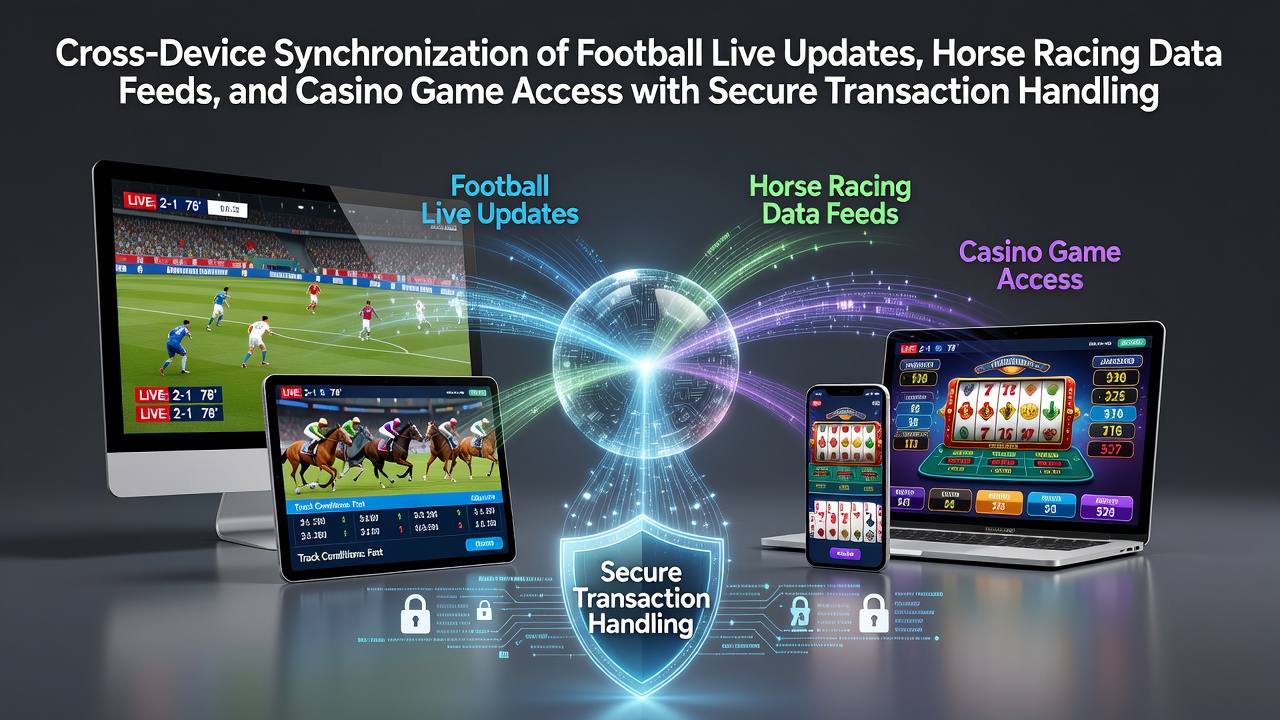
Cross-device synchronization allows users to maintain continuous access to football live updates, horse racing data feeds, and casino game sessions while moving between smartphones, tablets, and desktop computers, and operators achieve this through centralized servers that push real-time information across platforms simultaneously.
Data centers process incoming football match events, such as goal notifications and player substitutions, then distribute these details to connected devices within seconds; horse racing feeds deliver updated odds, track conditions, and race results in the same manner, and casino game access relies on session tokens that preserve game states across switches.
Technical Mechanisms Behind Synchronization
Developers rely on application programming interfaces that connect front-end applications to backend databases, and these APIs handle requests for live football statistics while pulling horse racing information from official track sources and maintaining casino game progress through encrypted session management. Cloud-based architectures support the load by distributing traffic across multiple nodes, which prevents delays when thousands of users access synchronized content at once.
Protocols such as WebSocket maintain open connections between devices and servers, allowing instant delivery of updates without repeated polling, whereas token-based authentication ensures that a user who begins a casino session on one device can resume it on another without restarting the game or losing progress.
Secure Transaction Handling Across Platforms
Payment gateways integrate with the synchronization systems to process deposits and withdrawals while verifying user identity on each device, and encryption standards like TLS 1.3 protect financial data during transmission between the user’s current device and the operator’s servers. Multi-factor authentication routines activate whenever a new device joins an active session, which reduces unauthorized access risks.
Transaction logs record every financial action with timestamps and device identifiers, enabling operators to reconcile activity across platforms, and regulatory frameworks in various jurisdictions require these records for audit purposes. As of August 2026, several European operators began rolling out enhanced token rotation methods that refresh security credentials every few minutes during active sessions.
Integration of Football, Racing, and Casino Content
Platforms combine live football updates with horse racing data feeds through unified dashboards that display both sets of information side by side, and users can switch to casino games without losing visibility of ongoing sports events because background processes continue to receive data. One example involves a user monitoring a Premier League match on a phone while placing a wager on an upcoming horse race via tablet, with the system ensuring both feeds remain current regardless of device change.
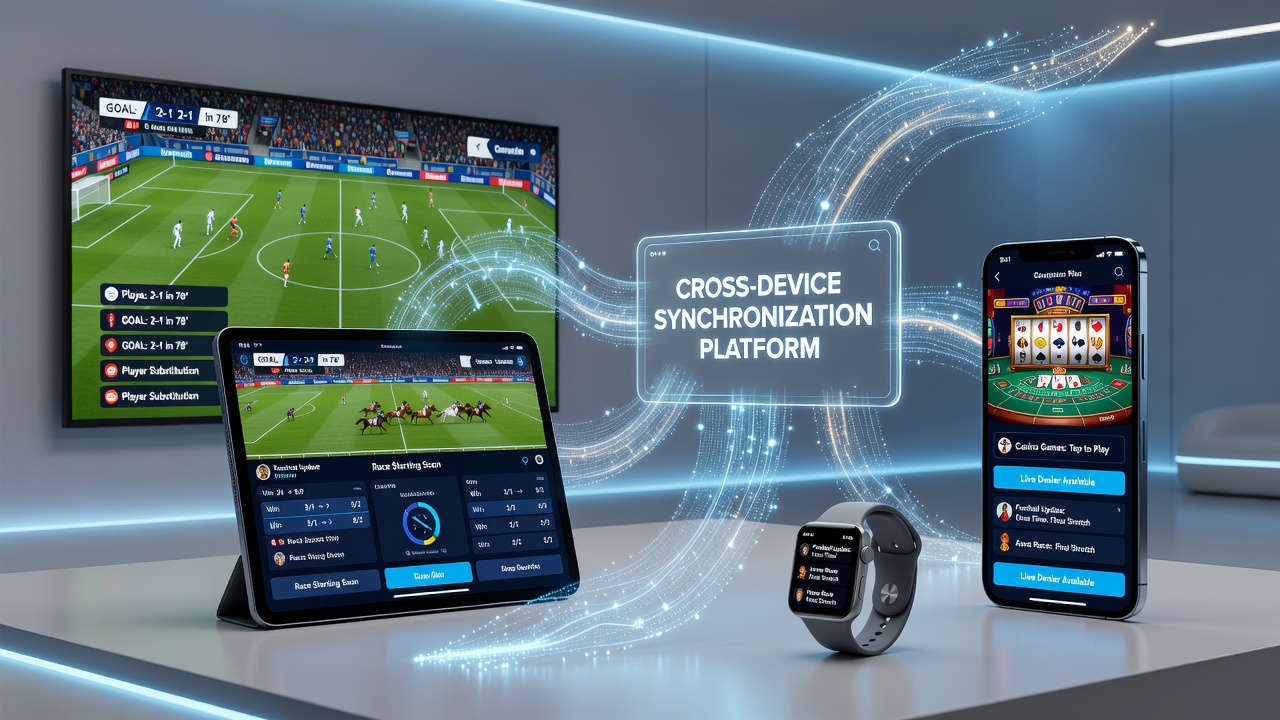
Research from the European Gaming and Betting Association indicates that synchronized systems reduce latency by an average of 40 percent compared with separate applications, and industry reports show higher user retention when sports and casino content share the same account infrastructure. Observers note that seamless transitions between football live updates and racing data feeds encourage longer engagement periods because users avoid repeated login procedures.
Challenges and Implementation Standards
Network variability presents difficulties when users move between Wi-Fi and mobile data connections, yet operators address this through adaptive bitrate streaming that adjusts data delivery based on available bandwidth. Device compatibility testing covers major operating systems and screen sizes to maintain consistent display of football scores, racing odds, and casino interfaces.
According to a study published by the Australian Institute of Criminology on digital financial systems, standardized encryption practices lower fraud incidence rates in online transaction environments, and similar principles apply to gambling platforms that handle cross-device payments. Companies implement rate-limiting measures to prevent overload during peak events such as major football matches or high-profile horse races.
Future Developments in Synchronization Technology
Emerging standards from international bodies focus on improving interoperability between different operators’ systems, which would allow users to transfer active sessions across platforms operated by separate companies. Machine learning models analyze usage patterns to predict when a user might switch devices and pre-load relevant football or racing data in advance.
Those who have examined payment security frameworks in Canada highlight the role of real-time monitoring tools that flag unusual transaction sequences across multiple devices, and these tools integrate directly with synchronization layers to maintain both speed and safety. Continued investment in edge computing promises to shorten response times further by processing data closer to the user’s location.
Conclusion
Cross-device synchronization of football live updates, horse racing data feeds, and casino game access depends on coordinated technical systems that deliver information and maintain secure transactions without interruption. Evidence from multiple regions shows that operators who adopt unified architectures achieve reliable performance across devices while meeting security requirements. Continued refinement of these processes supports consistent access as user habits evolve toward multi-platform consumption.