Premier League Clubs Scramble for Shirt Sponsors as Gambling Ban Delivers £80m Revenue Blow
6 Apr 2026
Premier League Clubs Scramble for Shirt Sponsors as Gambling Ban Delivers £80m Revenue Blow
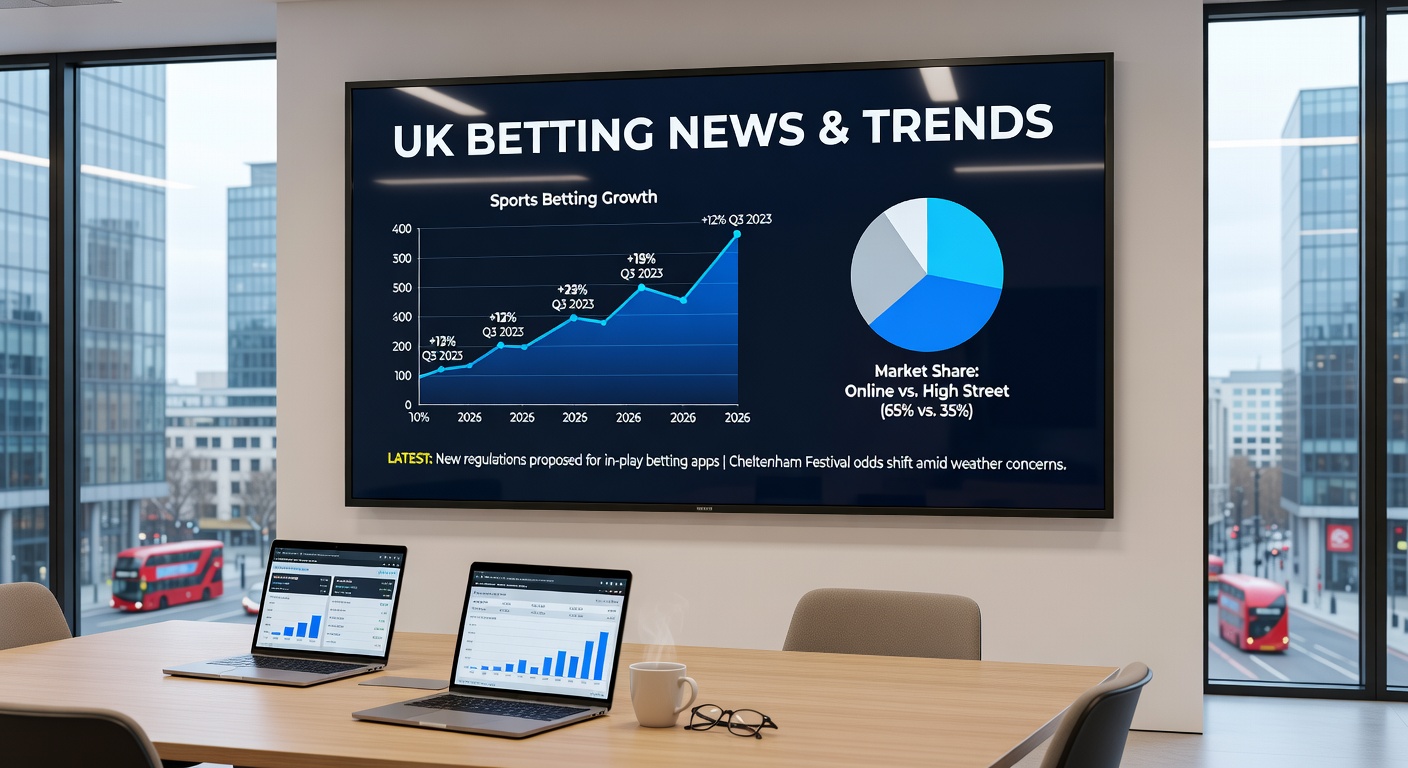
The Sponsor Void Hits Nine Clubs Hard
As April 2026 unfolds, nine Premier League clubs remain without front-of-shirt sponsors for the upcoming season, a direct fallout from the league's ban on gambling companies advertising on jerseys; this gap threatens a collective revenue shortfall of up to £80 million, according to reports from The Guardian, while the voluntary agreement struck three years earlier now enforces its grip after repeated delays.
Clubs outside the 'big six'—those perennial powerhouses like Manchester City, Arsenal, and Liverpool—face the steepest drops, with typical sponsorship values plummeting from £8 million to £12 million annually down to £4 million to £5 million from non-gambling alternatives; that's where the rubber meets the road for mid-table sides scrambling to pivot, since gambling firms once filled those lucrative spots with ease.
Brentford and Bournemouth stand out as early adapters, securing deals at about 50% of previous values—Brentford linking with Indeed, the job search giant, adn Bournemouth partnering with Vitality, a health-focused brand—yet these moves highlight the tough trade-offs, as clubs accept slashed terms to avoid blank shirts come matchday.
Everton and Fulham, on the other hand, navigate brighter paths, negotiating pacts with non-gambling entities that promise increases over prior gambling-backed hauls; observers note this divergence underscores how negotiation savvy and brand appeal shape outcomes in a post-ban landscape.
What's interesting is the timeline: the ban, first agreed in 2023 as a self-imposed measure by Premier League executives responding to broader societal pressures on gambling ads, got pushed back twice before landing firmly for the 2026-27 campaign; now, with the season mere months away, those nine unnamed clubs—likely a mix of promoted sides and established mid-packers—hold the ball in their court, racing to ink deals or risk playing sponsorless.
Background: From Voluntary Pact to Hard Deadline
The shift traces back to 2023, when Premier League leaders, alongside EFL counterparts, pledged to phase out gambling logos from the front of shirts by 2026—a move hailed by public health advocates although clubs grumbled about lost revenue streams that had ballooned over a decade.
Delays came in waves: first to 2025, then nudged to 2026, buying time for transitions; data from Deloitte's Football Money League reveals how gambling sponsors contributed up to 10% of commercial income for some clubs pre-ban, fueling wage bills and transfers, so this void ripples far beyond jersey aesthetics.
Figures paint a stark picture: across the league, front-of-shirt deals averaged £10 million for non-elite clubs in the gambling era; now, non-gambling suitors—think tech firms, airlines, or wellness brands—balk at matching those sums, citing lower fanbase alignment or regulatory scrutiny, which leaves clubs like Wolves, Leicester, or newly promoted outfits (exact names pending announcements) in limbo.
And here's the thing: while the 'big six' locked in alternatives early—Manchester United with TeamViewer extensions, Chelsea eyeing tech giants—smaller clubs grapple with thinner negotiating leverage; one study from the European Sponsorship Association highlights how mid-tier teams historically relied on betting houses for 70% of shirt sponsorships, a dependency now exposed.
Brentford's Indeed deal, inked at roughly half prior value, exemplifies adaptation; club officials confirmed the pact emphasizes digital reach over raw cash, aligning with Indeed's global footprint, whereas Bournemouth's Vitality tie-up taps wellness trends, accepting the cut to secure stability ahead of summer fixtures.
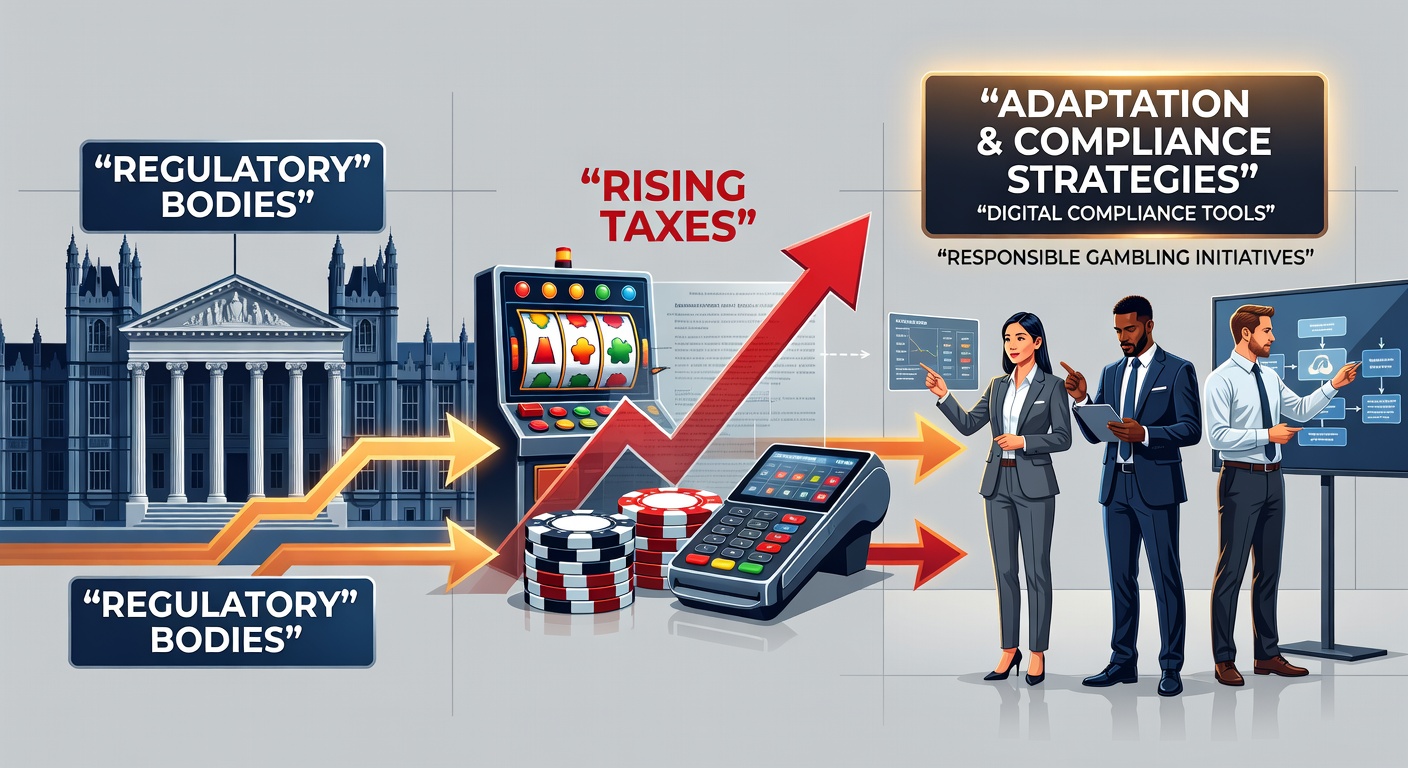
Club-by-Club Impacts and Negotiation Tales
Everton pushes forward with talks that could boost their deal beyond past gambling figures, targeting a finance or logistics firm whose identity remains under wraps; Fulham mirrors this optimism, leveraging London appeal to lure a non-gambling heavyweight, potentially setting a benchmark for peers.
Yet for the nine holdouts—rumored to include Southampton, Ipswich Town, and others from last season's table—time ticks down; without sponsors, they forfeit not just shirt revenue but secondary perks like hospitality tie-ins or global marketing boosts, compounding financial strains under profitability rules.
Takes one observer who's tracked Premier League finances: clubs like these often discover that non-gambling partners demand performance clauses or multi-year commitments, slowing deals; Crystal Palace, for instance, pivoted last year to a tech sponsor at reduced rates, a blueprint now tested league-wide.
Revenue math underscores the crisis: if each of the nine averages a £8 million drop—conservative given Guardian estimates—the £72 million to £80 million hole emerges, enough to fund several marquee signings or stadium upgrades; experts who've studied sponsorship shifts note similar patterns in other leagues, like Serie A's partial gambling curbs, where values dipped 40% initially.
But turns out, innovation blooms under pressure: some clubs explore sleeve or training kit gambling ads as loopholes (permitted until 2029), while others bundle front-of-shirt with digital rights packages, sweetening pots for wary brands; Nottingham Forest, holding firm in talks, reportedly blends jersey space with app integrations for a prospective partner.
- Brentford: Indeed deal at ~50% prior value, emphasizing job market synergy.
- Bournemouth: Vitality partnership, health brand fit despite haircut.
- Everton: Negotiations for uplift from non-gambling source.
- Fulham: Similar upward trajectory in advanced discussions.
- Nine others: Sponsorless as deadline nears, eyeing £80m collective hit.
League-wide, the ban reshapes commercial strategies; data indicates 15 of 20 clubs have secured or are close, but those trailing risk fan frustration—blank shirts dilute matchday visuals, after all—although purists applaud the ethical pivot.
Wider Ripples: Revenue, Regulations, and Global Echoes
Beyond shirts, the ban prompts soul-searching on gambling's footprint; Premier League data shows betting firms still dominate sleeves (12 of 20 clubs) and stadium naming rights, but front-of-shirt removal signals a cultural shift, echoed in regulations from bodies like Australia's Communications and Media Authority, where sports ad curbs mirror UK moves.
Financially, clubs lean harder on matchday and broadcast cash—ever rising—but sponsorship shortfalls pinch tight amid PSR (Profit and Sustainability Rules) scrutiny; one case where Brighton thrived post-gambling exit, inking American Express extensions, offers hope, yet not all replicate that pull.
Now, with April 2026 transfers buzzing, unsponsored clubs face transfer market handicaps; agents note buyers favor fiscally secure targets, so Brentford's pragmatic cut or Fulham's potential gain become case studies for survival.
It's noteworthy how global parallels amplify urgency: Bundesliga clubs ditched gambling fronts in 2023, absorbing 30% value drops per Sport+Markt reports, while MLS eyes similar bans; Premier League's delay bought breathing room, but execution tests resolve.
Stakeholders—from executives to supporters—watch closely; the writing's on the wall that adaptation defines winners, as clubs blend tradition with fresh commercial veins.
Conclusion
In the end, nine Premier League clubs confront a pivotal summer sans front-of-shirt sponsors, courtesy of the long-awaited gambling ban now fully in force for 2026-27; potential £80 million losses loom large, yet tales from Brentford's discounted Indeed switch, Bournemouth's Vitality pivot, and Everton-Fulham's upward bids reveal a league in flux—adapting, negotiating, and redefining revenue amid ethical headwinds.
As deals crystallize or falter, the broader impact on competitiveness emerges; data suggests mid-table squads bear the brunt, with values halved for most, although loopholes and bundled offers provide lifelines; observers anticipate announcements soon, since blank jerseys won't fly come August kickoffs, marking a new era where non-gambling brands claim the pitch's prime real estate.