12 Oct 2026
Real-Time Data Synchronization in Sports Applications: Linking Football and Racing Updates to Diverse Funding and Assistance Features
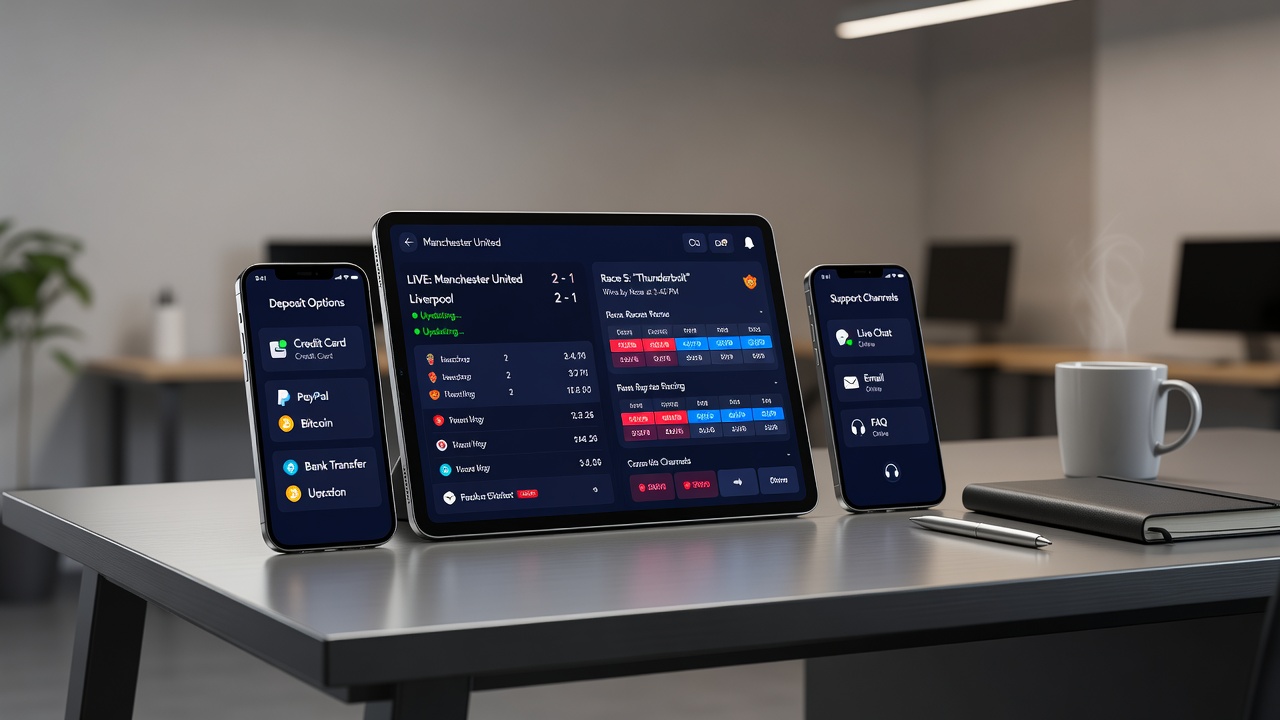
Developers have refined mobile platforms to deliver coordinated live updates on football scores alongside horse racing outcomes, and these systems connect directly to multiple deposit methods plus varied support routes. Research from the European Gaming and Betting Association shows that integration relies on API connections which pull data from official leagues and racing authorities in real time, then route that information through app interfaces while users access funding choices such as bank transfers, digital wallets, and prepaid cards.
Core Mechanisms Behind Live Score Coordination
Data streams from football matches and race tracks flow into centralized servers that push notifications to user devices within seconds of events like goals or finish-line crossings. Observers note that synchronization occurs through WebSocket protocols which maintain open connections between apps and data providers, and this setup allows simultaneous display of multiple events without lag. In October 2026, updates to these protocols incorporated enhanced compression techniques that reduced bandwidth demands by measurable margins according to industry testing reports.
Applications segment information into tabs or widgets so users can monitor a Premier League fixture in one section while tracking thoroughbred results in another, and backend algorithms prioritize updates based on user preferences stored in account profiles. Those who manage multiple bets often discover that the system flags changes like goal scorers or jockey positions automatically through push alerts tied to the same data pipeline.
Integration with Deposit Options and Transaction Pathways
Varied deposit methods link to the same mobile dashboards that display scores and results, which means users can add funds without exiting the live view. Processors handle instant verifications for methods including credit cards, e-wallets, and bank apps, while security layers such as tokenization and two-factor checks operate in the background. Figures from the Canadian Gaming Association indicate that platforms supporting five or more deposit types see higher session continuity rates because interruptions drop when funding remains accessible alongside event monitoring.
Transaction histories appear in side panels or expandable menus, and reconciliation happens automatically after each deposit so balances update before the next race or match segment begins. This linkage extends to withdrawal options that mirror deposit choices, though processing times vary by method and regulatory requirements in different jurisdictions.
Support Channels Connected to the Same Interfaces
Customer assistance routes tie into the mobile framework through in-app chat, email ticketing, and phone lines, with agents gaining access to the same real-time data screens that users see. This shared visibility lets support staff address queries about score discrepancies or deposit confirmations without requiring users to repeat details. Studies compiled by the University of Nevada, Las Vegas International Gaming Institute reveal that integrated support reduces average resolution times when agents reference live feeds directly during sessions.
Automated bots handle routine checks such as balance inquiries or basic result confirmations, while human representatives step in for complex issues involving multiple events or payment disputes. Platforms schedule support availability around peak hours for football and racing, and language options expand based on regional user data collected over time.

Technical Infrastructure Supporting Cross-Event Monitoring
Cloud-based servers distribute loads across regions to maintain uptime during high-traffic periods like major football tournaments or racing festivals, and redundancy protocols switch traffic automatically if one node experiences delays. Developers employ machine learning models to predict data spikes and pre-cache results for popular events, which keeps interfaces responsive even when thousands access scores simultaneously. Data indicates that latency below two seconds remains the operational standard for most established platforms.
Security frameworks encrypt both data streams and financial links, and compliance teams audit these measures against standards set by bodies outside the primary market. Regular penetration testing identifies vulnerabilities before they affect live operations, and patch deployments occur during scheduled maintenance windows that users receive advance notice about through the app itself.
Regional Adaptations and Regulatory Influences
Operators adjust interfaces to meet local rules on data display and payment processing, with some regions requiring separate verification steps before deposits activate live features. In Australia, for example, the Interactive Gambling Act shapes how real-time updates pair with funding options, while European frameworks emphasize consumer protection layers around support accessibility. Platforms often maintain distinct versions of their apps to satisfy these differences without altering the core synchronization engine.
October 2026 brought revised guidelines in several markets that encouraged clearer separation between event data and transaction prompts, prompting developers to refine menu layouts accordingly. Those adaptations preserved functionality while aligning with updated transparency expectations.
Conclusion
Coordination of real-time football scores and horse racing results through mobile systems continues to evolve alongside deposit variety and support connectivity. The infrastructure combines data feeds, financial gateways, and assistance channels into unified experiences that users access from single devices. Ongoing refinements in October 2026 and beyond focus on maintaining speed, security, and compliance across regions, with evidence from multiple industry sources confirming steady technical progress in these integrated environments.