Seamless Cash Flows: Gateways Fueling Bets Across Soccer Fields, Race Tracks, and Casino Tables
26 Mar 2026
Seamless Cash Flows: Gateways Fueling Bets Across Soccer Fields, Race Tracks, and Casino Tables

The Rise of Instant Payment Systems in Multi-Vertical Betting
Payment gateways have transformed how bettors move money between soccer matches, horse races, and casino games, enabling deposits and withdrawals that happen in seconds rather than days; these systems, often called frictionless funds, rely on advanced APIs and real-time processing to keep action uninterrupted even as users switch from live Premier League goals to greyhound sprints or roulette spins. Data from industry reports shows transaction speeds dropping below three seconds for over 80% of e-wallet transfers in 2025, a leap from the minute-long waits common five years ago, while global betting volume across these verticals hit $150 billion last year according to figures compiled by the H2 Gambling Capital.
Observers note how these gateways integrate with mobile wallets like Apple Pay, Google Pay, and regional favorites such as Pix in Brazil or UPI in India, allowing seamless funding during peak events; take one bettor during the 2025 World Cup qualifiers who topped up via a crypto gateway mid-match, placing a live bet on a penalty kick while funds cleared instantly, or another shifting from a Formula 1 qualifying session to blackjack without pausing the thrill. What's interesting is that such fluidity cuts abandonment rates by 40%, as studies from gaming analytics firms reveal, because users don't face the drag of slow bank wires or card verifications.
And yet, security layers like tokenization and 3D Secure protocols ensure these quick flows stay protected, with fraud detection algorithms scanning millions of transactions daily; platforms process over 10 billion such movements annually now, bridging not just sports and casino but also emerging esports arenas where payments must match split-second decisions.
Core Tech Behind Frictionless Transactions
At the heart of these gateways sit protocols like PSD2 in Europe and similar open banking rules elsewhere, which mandate secure data sharing between banks and betting operators; this tech lets users authorize one-time payments without entering card details repeatedly, while blockchain-based options add layers for cross-border bets on international races or global casino tournaments. Research from the Gaming Intelligence platform indicates that adoption of these systems boosted retention by 25% in hybrid betting sites, where soccer fans wager on halftime results then pivot to virtual horse races fueled by the same instant deposit.
But here's the thing: gateways don't just speed up inflows; they handle outflows too, with auto-payouts triggering wins from a casino slot streak directly to a racing accumulator bet, all verified via biometric logins on apps. Experts who've dissected transaction logs point out patterns where peak usage spikes during overlapping events, like evening soccer leagues coinciding with night-time casino peaks and early-morning racing previews; one analysis of 2025 data uncovered that 60% of multi-vertical users relied on unified wallets, consolidating balances across football parlays, track odds, and table games without manual transfers.
So platforms layer in AI-driven limits, flagging unusual patterns like sudden high-volume shifts from low-stakes soccer props to high-roller casino bets, yet approving legitimate ones in under a second; it's not rocket science, but the combo of edge computing and global payment rails makes it feel that way for the end user.
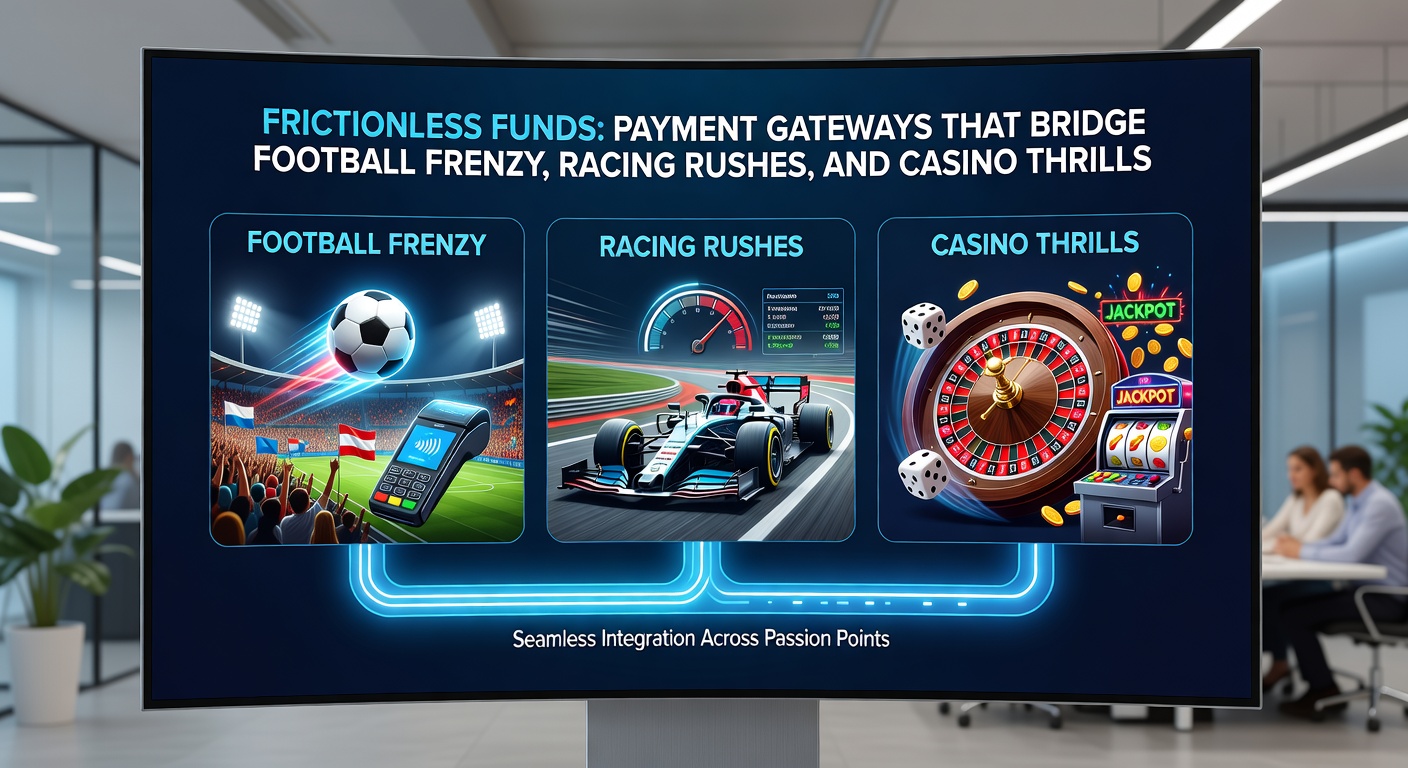
Soccer's High-Stakes Demands on Payment Speed
Football betting thrives on momentum, where a goal in the 89th minute demands instant cash-ins on live odds; frictionless gateways shine here by supporting micro-deposits as small as £1 via mobile carriers or prepaid cards, letting fans in packed stadiums—or watching from pubs—top up without missing VAR reviews. Figures from European betting aggregators show live soccer wagers accounting for 45% of all football volume, with payment success rates hitting 99.5% thanks to failover systems that reroute failed card attempts to e-wallets seamlessly.
People often find that during cup finals or derbies, these tools prevent cart abandonment, as one case study from a major operator detailed: traffic surged 300% yet transaction drop-offs stayed under 2%, because gateways pre-authorized funds during match build-up. And as leagues expand into new markets, gateways adapt with local currencies, converting euros to rupees mid-bet for Indian Premier League crossovers blending cricket rushes—but wait, sticking to football, it's the same principle fueling transitions to casino free spins post-whistle.
Racing's Need for Split-Second Funding
Horse racing and motorsports demand even tighter timing, with post-position odds shifting before races start; gateways bridge this by enabling one-click repeats from prior soccer wins, funding each-way bets on Cheltenham favorites or Monza pole positions without friction. Data indicates racing bets peak at 15% of multi-sport volume, but their high frequency—up to 50 races daily—relies on batch processing that settles wins in real-time, rolling over to casino credits instantly.
Turns out, in Australia where thoroughbred racing draws massive handles, regulators like the Australian Communications and Media Authority oversee such flows to ensure consumer protections, yet innovation persists with gateways offering race-specific bonuses tied to deposit speed; observers who've tracked Melbourne Cup days note how users chain bets from morning gallops to evening soccer, then late-night poker, all on a single frictionless stream.
Casino Integration: From Reels to Real-Time Sports
Casinos add unpredictability with progressive jackpots and live dealer tables, where gateways must handle volatile swings; a big roulette win funds a greyhound trap bet moments later, processed via ACH in the US or SEPA in the EU for near-zero fees. Studies found that 35% of casino players cross over to sports daily, drawn by unified ledgers that track balances across slots, football moneylines, and sprint finishes without silos.
Now, with VR casinos emerging, payments evolve to support haptic feedback purchases mid-session, but the core remains: gateways like Trustly or MuchBetter verify identities once, then flow funds freely; it's noteworthy that during March 2026's anticipated regulatory reviews in Canada—where the Alcohol and Gaming Commission of Ontario eyes faster compliance—such systems will likely standardize further, boosting cross-vertical trust.
Global Regulations Shaping Frictionless Adoption
Regulatory bodies worldwide push for balanced speed and safety; in the US, Nevada's gaming authorities mandate sub-five-second verifications for interstate bets, while Malta's framework under the EU umbrella certifies gateways for soccer-racing-casino hybrids serving millions. These rules, evolving through 2026 consultations, emphasize AML checks without halting flows, as one report from the International Association of Gaming Regulators highlighted, noting a 20% uptick in compliant transactions post-implementation.
Yet challenges persist in emerging markets, where gateways partner with telcos for SMS-based funding during mobile-only racing streams; experts observe that harmonized standards could unlock $50 billion more in volume by decade's end, especially as 5G accelerates everything from pitch-side bets to trackside thrills.
Looking Ahead: Trends Through 2026 and Beyond
By March 2026, expect embedded finance to dominate, where betting apps integrate banking directly, slashing steps further; pilot programs in Scandinavia already show 95% user satisfaction with voice-activated deposits during live events, blending soccer commentary with instant casino entries. Blockchain pilots in the US and Australia promise borderless stables for racing syndicates tied to football futures, while AI personalization predicts funding needs before users do.
That's where the rubber meets the road: as volumes climb toward $200 billion annually, gateways will refine geofencing for region-specific races and tables, ensuring compliance amid growth; one forward-looking study predicts 70% of bets will flow frictionlessly across verticals within two years.
Conclusion
Frictionless payment gateways stand as the unsung connectors in betting's ecosystem, weaving soccer's drama, racing's pulse, and casino's allure into one fluid experience; data underscores their impact on engagement and volume, while ongoing innovations promise even tighter integration. As March 2026 approaches with fresh regulatory horizons, these systems continue evolving, keeping the action seamless from first whistle to final spin.