31 Aug 2026
Strategies for Cross-Device Synchronization in Live Odds Management for Football, Equine Racing, and Table Games
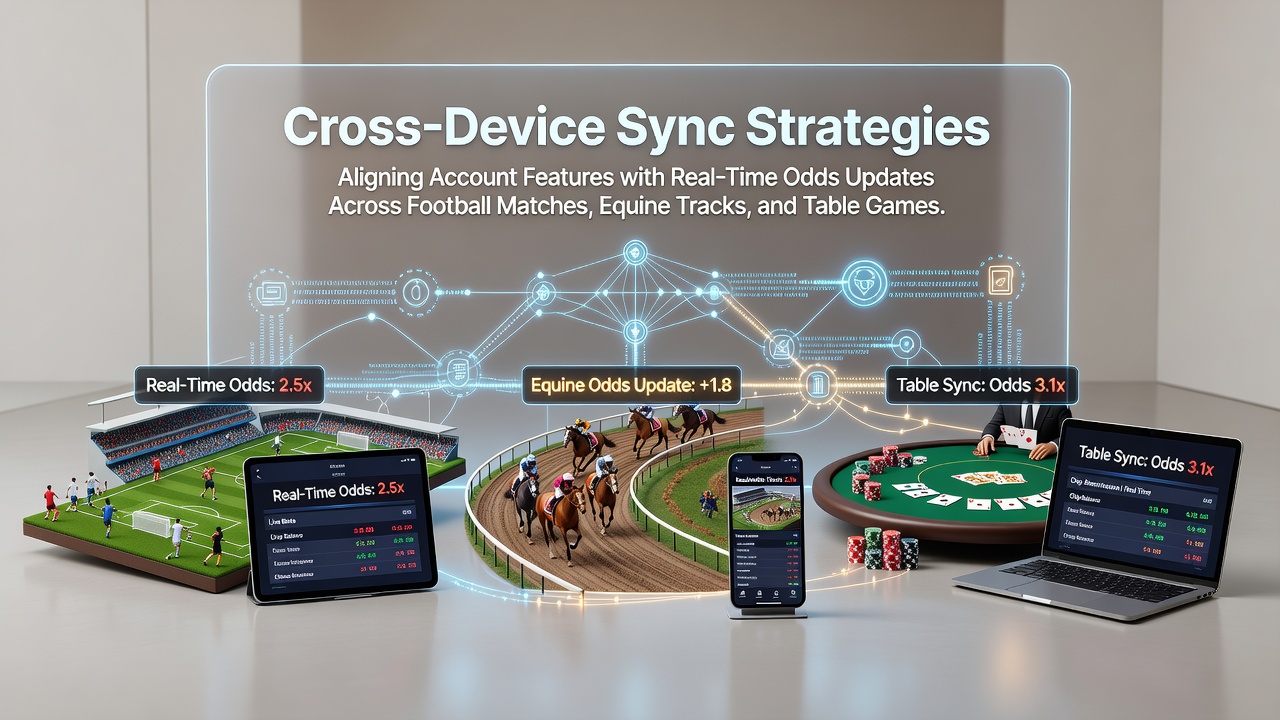
Operators in the betting sector have developed multiple approaches to keep user accounts aligned across smartphones, tablets, and desktop systems while delivering instant odds adjustments during football matches, equine events, and table game sessions. These methods rely on centralized data repositories that push updates through secure APIs and WebSocket connections, ensuring balance figures, bet histories, and promotional features remain consistent regardless of the access point. Industry reports indicate that synchronization latency has dropped below two seconds in optimized systems during peak periods, allowing bettors to react to goal scorers, finish-line results, and card draws without interruption.
Core Technical Components of Account Alignment
Developers integrate device-agnostic authentication protocols that store session tokens in encrypted cloud environments, which then broadcast changes to all linked devices within milliseconds. Account features such as deposit limits, bonus eligibility, and pending wagers update simultaneously because the backend treats each device as a view into a single master record rather than separate instances. Observers note that this architecture prevents discrepancies that once arose when mobile and desktop platforms pulled from staggered data feeds.
Real-time odds engines connect directly to event data providers for football fixtures, track timing systems at equine venues, and random number generators in table games. When a goal occurs or a horse crosses the line, the central server recalculates prices and pushes the new figures through the same synchronization layer that manages account states. This unified pipeline reduces the need for separate refresh cycles that previously caused mismatches between platforms.
Implementation Across Different Event Types
Football matches generate frequent odds shifts tied to in-game statistics, so synchronization strategies prioritize high-frequency polling intervals combined with push notifications. Equine tracks require precise timing integration with photo-finish systems, where the same account layer must handle both pre-race ante-post prices and in-running adjustments after the start. Table games, by contrast, demand sub-second alignment between dealer actions and player balances because rounds conclude rapidly. Engineers have addressed these varying demands by segmenting data streams while maintaining a shared account core.
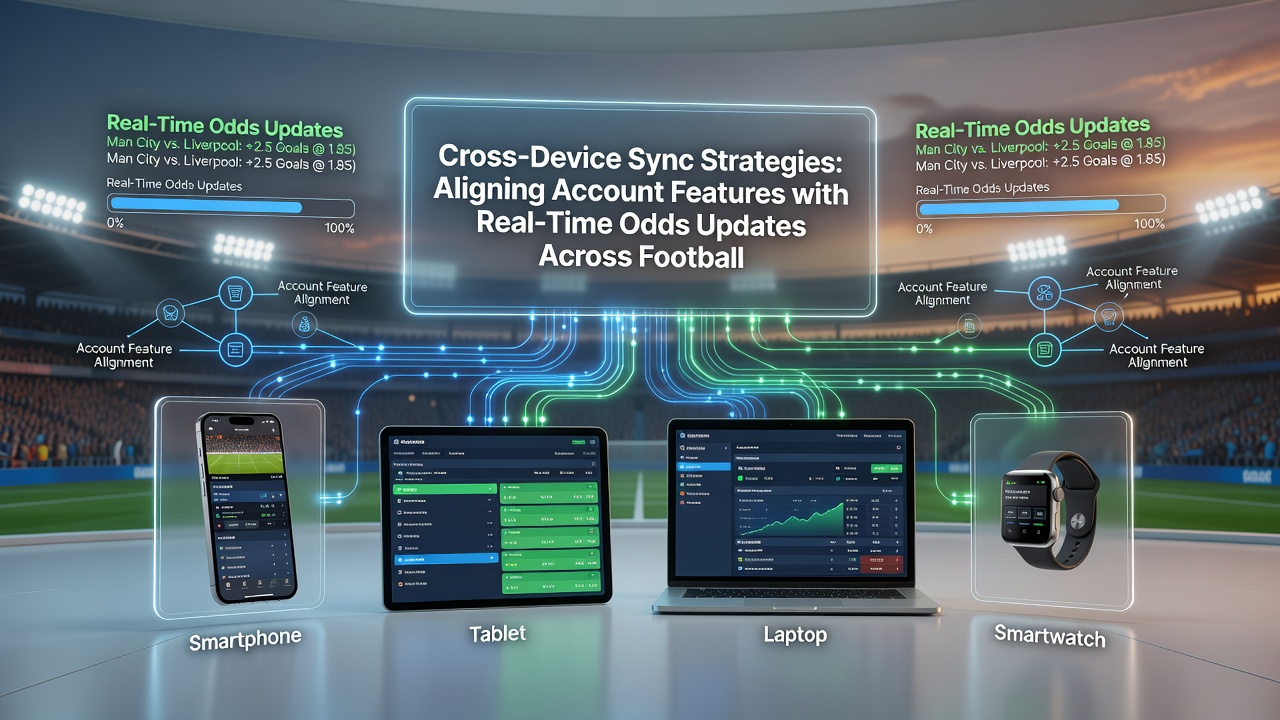
Research from the Australian Gambling Research Centre highlights how operators in multiple jurisdictions have adopted modular synchronization frameworks that scale according to event volatility. One documented case involved a platform serving European football leagues alongside Australian thoroughbred meetings, where the system maintained parity across 180,000 concurrent sessions during a major race day in August 2026. The framework used containerized microservices to isolate odds calculation from account management, allowing independent scaling without risking data drift.
Security and Compliance Measures in Sync Processes
Multi-factor verification tokens refresh during each device handshake, while behavioral analytics flag unusual access patterns that might indicate compromised synchronization. Regulators in several North American jurisdictions now require audit logs that capture every odds update and account change across devices, creating traceable records for dispute resolution. These logs also support responsible gambling tools that enforce session limits uniformly, whether a user switches from a stadium Wi-Fi connection to a home desktop.
Industry organizations such as the National Council on Problem Gambling have published guidelines on maintaining data integrity during cross-device handoffs, emphasizing encryption standards that protect both financial details and live betting activity. Platforms that follow these recommendations report fewer synchronization-related support tickets because users encounter consistent information at every touchpoint.
Future Developments in Unified Betting Infrastructure
Emerging protocols explore edge computing nodes positioned near major venues to reduce transmission delays for football stadiums, racecourses, and casino floors. These nodes pre-cache account snapshots and odds streams, then reconcile with the central database once connectivity stabilizes. Early deployments in 2026 have shown measurable improvements in regions with variable mobile coverage, particularly during large equine events that draw crowds to remote track locations.
Analysts tracking technology adoption note that integration of 5G and Wi-Fi 7 networks further supports these edge strategies by providing the bandwidth required for simultaneous video feeds and odds streams on a single device. The same infrastructure also enables seamless transitions between a live table game on a casino floor and continued play on a personal tablet after the user leaves the venue.
Conclusion
Cross-device synchronization has become a foundational element of modern betting platforms that cover football, equine racing, and table games. By unifying account features with real-time odds engines through layered APIs and secure cloud repositories, operators deliver consistent experiences that adapt to user movement across devices. Continued refinement of edge processing and regulatory-compliant logging practices will shape how these systems evolve through the remainder of the decade.