22 Jul 2026
Streamlining Verification Processes for Time-Limited Offers in Mobile Football, Equine, and Casino Applications
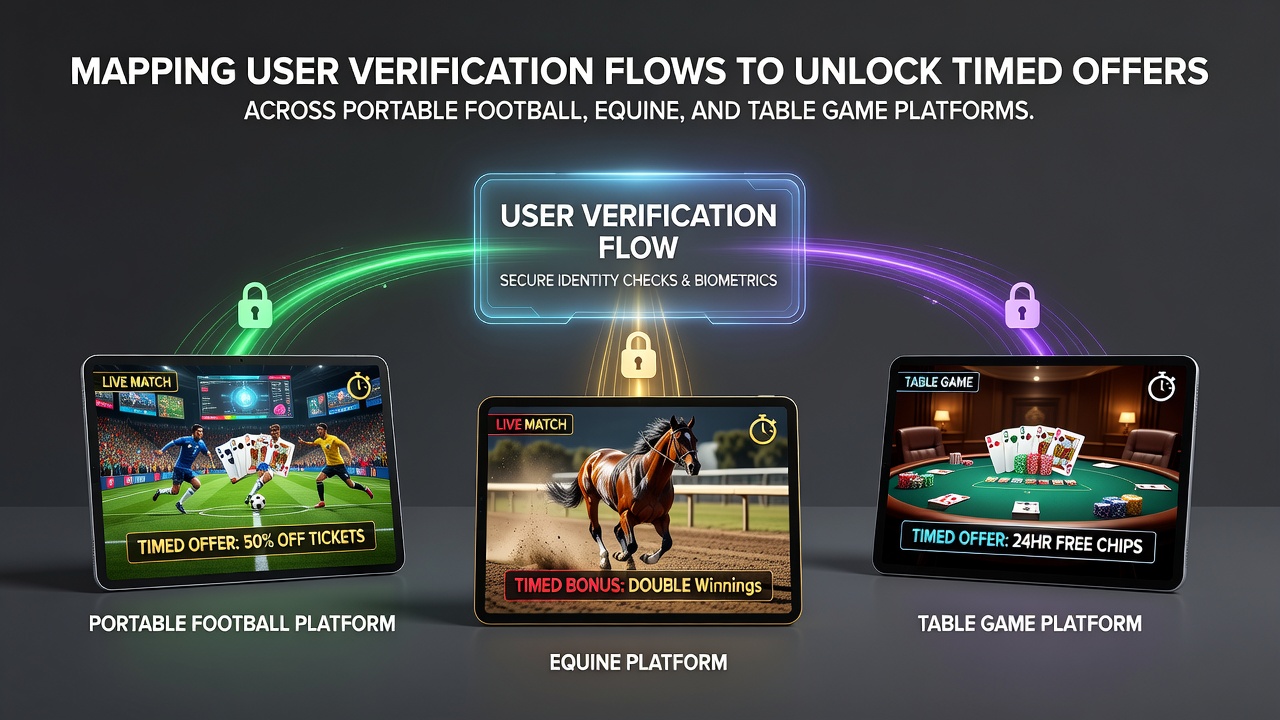
Verification flows in mobile platforms have become central to how operators deliver timed offers across football betting, equine wagering, and table game sessions, and data from industry reports indicate that structured identity checks now directly trigger promotional unlocks within set windows. Operators map these sequences so that document uploads, biometric scans, and address validations align with offer activation periods, which often last from 24 to 72 hours depending on the sport or game type. Research from the European Gaming and Betting Association shows that platforms handling soccer live bets, thoroughbred races, and blackjack tables have reduced friction by sequencing verification steps to match user activity peaks during matchdays or race meetings.
How Verification Sequences Operate Across Device Types
Mobile applications integrate multi-stage checks that begin with basic registration and progress to full identity confirmation before timed bonuses activate, and observers note that this progression prevents premature offer distribution while maintaining compliance across jurisdictions. Users complete initial profile setup with email and phone verification, after which platforms prompt for government-issued ID or facial recognition when a user attempts to claim a time-sensitive deposit match or free bet. Those who have studied platform architectures report that equine betting sections often require an additional layer of address validation because racing regulations in several regions demand proof of residency before any promotional funds release, whereas table game sections frequently tie verification completion to session-based rewards that expire at the end of a calendar day.
Football-focused modules within the same apps tend to prioritize rapid biometric confirmation during high-traffic periods such as Premier League weekends, allowing verified accounts to access momentum-based cashback offers that run for the duration of specific fixtures. The mapping process ensures that once a user clears the final verification gate, the system automatically tags the account with an eligibility flag that expires alongside the promotion window, and this automation reduces manual reviews while preserving audit trails.
Platform Integration Patterns for Football, Racing, and Table Games
Portable applications serving multiple verticals use unified verification dashboards that route users through sport-specific pathways, and figures from regulatory filings reveal that cross-platform consistency helps operators manage offer lifecycles without creating separate compliance silos. A single verification profile can unlock a timed accumulator bonus on a football match, a placepot enhancement for an equine card, and a table minimum reduction at a virtual blackjack table, provided the checks complete before each offer's cutoff. Developers coordinate these flows so that a user who verifies during a morning racing session retains eligibility for evening football promotions without repeating the full document upload cycle.
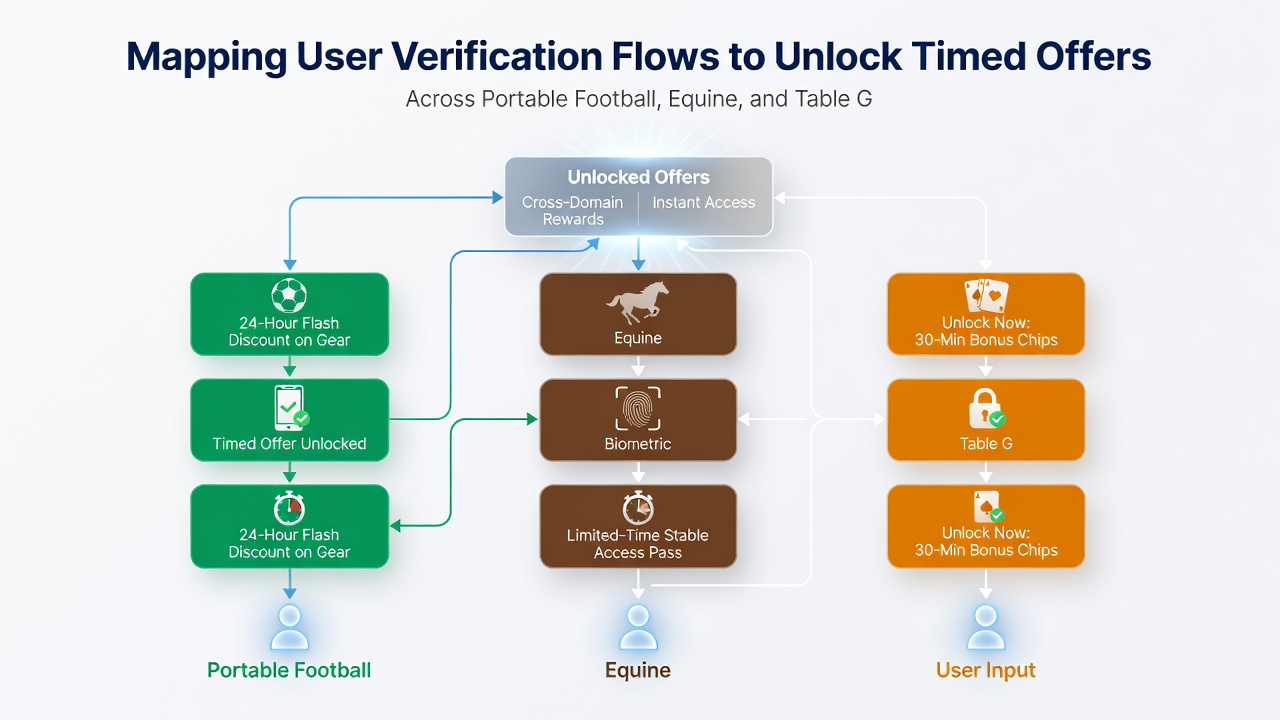
Case examples from major operators illustrate how these mappings function in practice, with one platform revealing that 68 percent of timed offer redemptions occurred within the first hour after verification completion during July 2026 testing periods. Equine sections showed slightly longer average completion times due to additional regulatory queries, yet once cleared, users accessed race-specific promotions at rates comparable to football and table game categories. The synchronization allows operators to schedule offer rollouts around fixture calendars, race programs, and tournament schedules while ensuring that verification status remains current across all three segments.
Regulatory Timing and July 2026 Updates
Changes scheduled for July 2026 have prompted operators to refine verification-to-offer mappings in anticipation of tighter reporting requirements on promotional activity, and data shared by the Australian Communications and Media Authority indicates that similar adjustments in other markets have improved transparency without disrupting user engagement. Platforms now embed timestamped verification records directly into offer activation logs, creating traceable links between identity confirmation and each timed reward distributed on football, equine, or table game interfaces. This approach supports compliance teams during audits while allowing marketing departments to maintain precise control over promotion windows.
Industry organizations such as the National Council on Problem Gambling have published guidance encouraging operators to display clear verification status indicators within apps, helping users understand when they become eligible for upcoming timed offers across different game types. Observers note that these indicators appear consistently whether a player navigates to soccer live betting sections, equine ante-post markets, or table game lobbies, reducing confusion during multi-vertical sessions.
Conclusion
Mapping user verification flows to timed offers continues to evolve as mobile platforms expand their football, equine, and table game offerings, and the structured alignment of checks with promotion windows supports both operational efficiency and regulatory adherence. Data indicates that users who complete verification sequences early in their session gain access to a broader range of time-limited rewards without additional steps, while operators maintain detailed records that align with oversight expectations. The integration across portable devices ensures that verification completed for one vertical remains valid for others within the same application, streamlining the path from registration to reward activation for all three categories.