17 Aug 2026
UK High Street Betting Shops Face Closures and Job Cuts After Recent Tax Changes

The Betting and Gaming Council has released new figures showing that more than 540 high-street betting shops closed across the UK since the previous Budget introduced higher tax rates, with around 4,500 jobs disappearing from the regulated betting sector in the same period, and these numbers build on an existing pattern of decline that stretches back several years.
Scale of Recent Shop Closures and Employment Losses
Data from the industry body indicates that the latest wave of closures comes on top of roughly 3,000 shops and over 15,000 positions already lost since 2019, creating a cumulative reduction that observers note has reshaped the physical retail landscape for betting operators. The figures cover the interval following the tax adjustments announced in the Budget, and they reflect integrated retail-online business models where changes to one channel affect operations in the other.
Those who track the sector point out that the losses occurred even as operators attempted to maintain service levels, and the report highlights how tax increases on online gambling activities have produced ripple effects that reach high-street locations through shared infrastructure and investment decisions. Statistics reveal a steady contraction rather than isolated incidents, with multiple operators adjusting their footprints in response to the new cost structure.
Integrated Operations and Cross-Channel Impacts
The Betting and Gaming Council report explains that many betting firms run combined retail and online platforms, so adjustments in online tax treatment influence decisions about physical shops, staff numbers, and future capital spending. When online margins tighten, resources that previously supported high-street branches become limited, leading to the documented closures and reductions in headcount. The warning from the body emphasizes this linkage as a key factor behind the current numbers, and it notes that separate treatment of channels does not match the way businesses actually function.
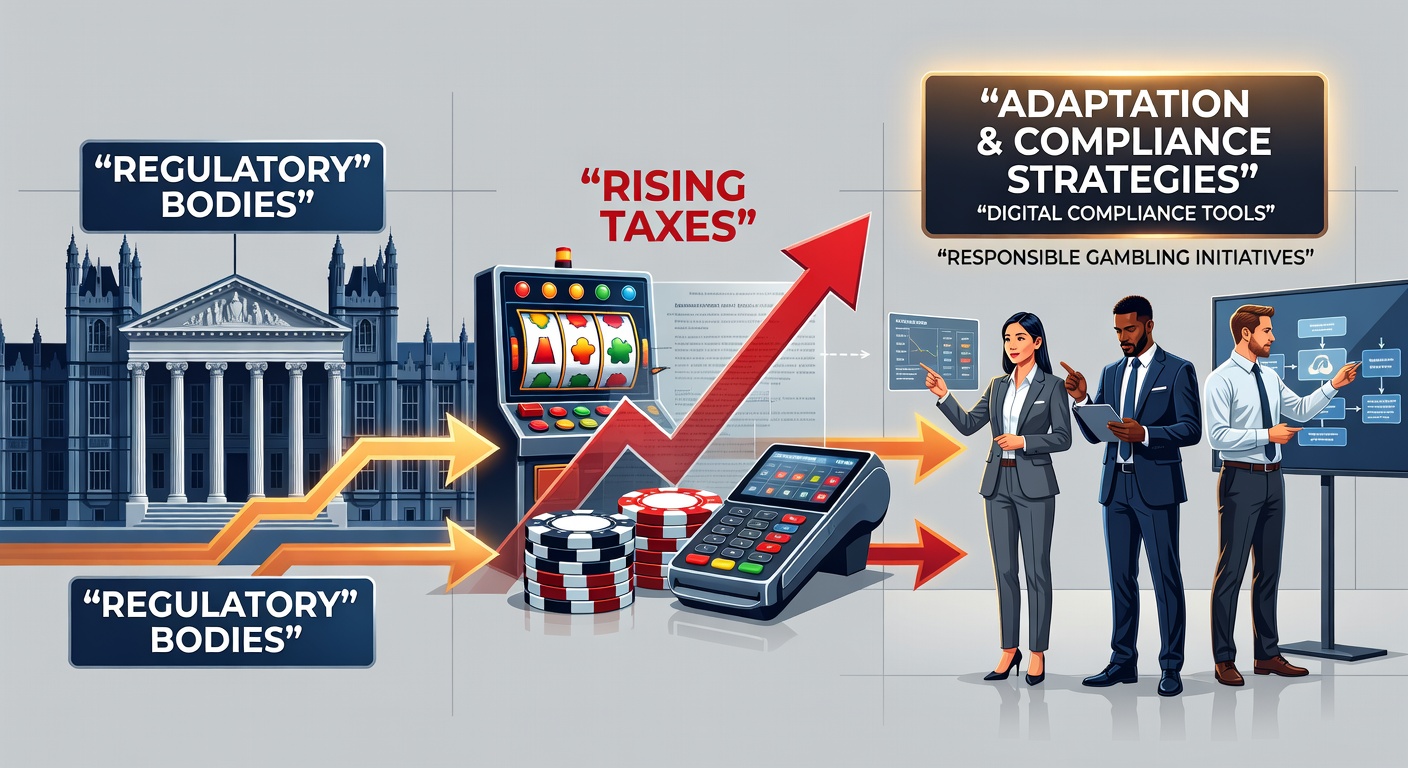
Figures released alongside the closure data show the broader role the sector continues to play in the UK economy through taxes paid, supplier contracts, and employment in related services, even while the shop count shrinks. The report presents these contributions as context for understanding the scale of change rather than as commentary on policy outcomes, and it records the ongoing activity levels among remaining outlets.
Longer-Term Patterns Since 2019
Since 2019 the cumulative loss of approximately 3,000 shops and more than 15,000 jobs forms a backdrop against which the post-Budget figures sit, and analysts who follow regulatory and fiscal developments note that the pace has varied year to year depending on multiple cost pressures. The most recent period stands out because it follows directly after the Budget measures, yet the longer sequence demonstrates that the trend predates those specific changes. Data compiled by the Betting and Gaming Council tracks these reductions through operator submissions and public filings, producing a consistent record of contraction across different regions of the UK.
People familiar with the operational side describe how fixed costs for premises, licensing, and staffing interact with revenue shifts, and the report connects these elements to the decisions that produced the 540-plus closures and 4,500 job losses in the latest interval. The pattern appears across both large chains and smaller operators, suggesting the pressure is widespread rather than confined to particular business models.
Economic Role of the Regulated Sector
Alongside the closure statistics, the Betting and Gaming Council document outlines the sector's total economic footprint, including direct tax payments to the Treasury, support for supply chains, and contributions through employment taxes and local spending. These elements remain active even as the number of physical locations declines, and the report positions them as part of the overall picture rather than separate from the changes in shop numbers. Observers note that the regulated market continues to generate measurable activity while adapting to the revised tax environment.
The integrated nature of operations means that investment decisions now weigh online performance against retail viability, and the council's statement draws attention to this interdependence as a practical reality for the companies involved. Statistics on jobs lost and shops closed therefore reflect adjustments across the full business structure rather than isolated retail outcomes.
Conclusion
The Betting and Gaming Council report provides a clear record of more than 540 high-street betting shops closing and approximately 4,500 jobs disappearing since the Budget tax increases, set against a longer decline that has removed around 3,000 shops and over 15,000 positions since 2019. The document connects these developments to the structure of integrated retail-online operations and records the sector's continuing economic contributions through taxes and related activity. Readers can review the full details in the original release available at the Betting and Gaming Council news page.